

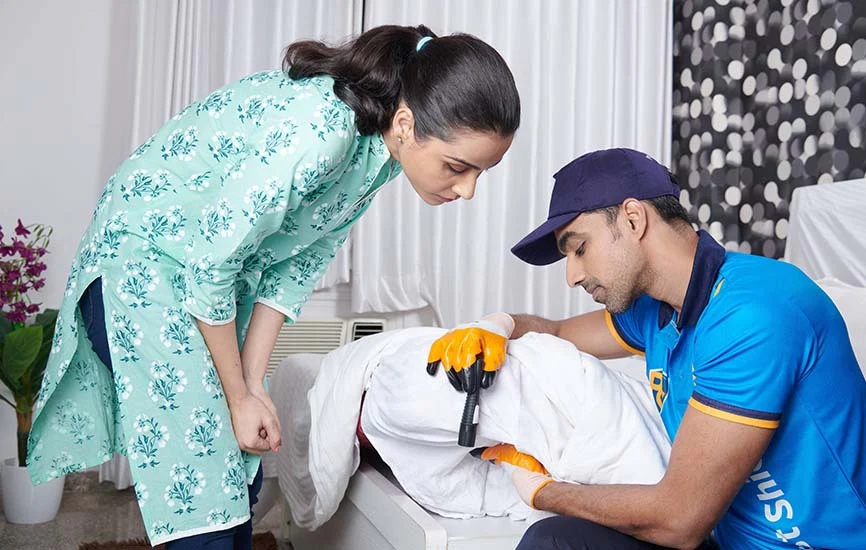
A clean and comfortable home should be a safe place where your family can relax without worrying about unwanted pests. However, insects and rodents are more than just a nuisance—they can pose serious health risks and damage your property if left untreated. Many homeowners only seek help after noticing a major infestation, but regular pest-control services provide a proactive approach that keeps pests away before they become a problem.
By investing in routine inspections and preventive treatments, you can create a healthier indoor environment, reduce the risk of disease, and protect your home from costly damage.
The Health Risks Associated with Household Pests
Many common household pests carry bacteria, viruses, and allergens that can negatively impact human health. Even if pests are rarely seen, they may still be active behind walls, under floors, or inside attics.
Some of the most common health concerns include:
- Food contamination
- Allergic reactions
- Asthma triggers
- Skin irritation
- Bacterial infections
- Disease transmission
Regular inspections help identify these hidden threats before they affect your family’s well-being.
Rodents Spread Harmful Diseases
Mice and rats are among the most dangerous household pests because they contaminate food and living spaces with droppings, urine, and saliva. They can also carry parasites such as fleas and ticks that introduce additional health risks.
Rodents may spread diseases through contaminated food preparation surfaces or by chewing into food packaging stored in pantries and cabinets.
Routine pest-control services reduce rodent populations and seal common entry points before infestations become severe.
Cockroaches Trigger Allergies and Asthma
Cockroaches thrive in warm, humid environments and often remain hidden during the day. While many people associate them with dirty conditions, cockroaches can invade even well-maintained homes.
Their droppings, saliva, and shed body parts contain allergens that may worsen asthma symptoms, particularly in children and older adults.
Regular treatments help eliminate breeding sites and prevent cockroach populations from growing.
Mosquitoes Carry Dangerous Diseases
Mosquitoes are more than an outdoor annoyance. Certain species are capable of transmitting diseases through their bites, making effective mosquito management important for family health.
Standing water around homes creates ideal breeding conditions for mosquitoes.
Homeowners can reduce mosquito activity by:
- Emptying outdoor containers regularly
- Cleaning clogged gutters
- Maintaining swimming pools
- Trimming dense vegetation
- Eliminating standing water after rainfall
Professional treatments further reduce mosquito populations around the property.
Bed Bugs Affect Sleep and Comfort
Although bed bugs are not known to spread diseases, they can significantly affect a person’s quality of life. Their bites often cause itching, skin irritation, and restless sleep.
Because bed bugs hide deep within mattresses, furniture, and small cracks, they are difficult to eliminate using household products alone.
Early detection and professional treatment help prevent infestations from spreading throughout the home.
Ants and Food Contamination
Ants frequently invade kitchens in search of sugary foods, crumbs, and moisture. As they travel across floors, garbage bins, and outdoor surfaces, they may transfer bacteria onto countertops and stored food.
Keeping kitchens clean is important, but persistent infestations often require targeted treatment to eliminate entire colonies rather than just visible ants.
Termites Threaten Structural Safety
Unlike many pests that directly affect health, termites primarily damage property. However, weakened structural components can create safety concerns for homeowners over time.
Termites silently consume wooden beams, flooring, and support structures from the inside, making damage difficult to detect until it becomes extensive.
Annual inspections can identify termite activity before significant repairs become necessary.
Preventing Allergens Inside the Home
Many pests contribute to poor indoor air quality by leaving behind droppings, body fragments, nesting materials, and waste. These particles may become airborne and aggravate respiratory conditions.
Maintaining a pest-free home helps improve indoor hygiene and creates a healthier living environment for everyone.
Protecting Children and Pets
Young children and pets spend more time on floors, carpets, and outdoor play areas where pests may be active.
They are also more likely to come into contact with contaminated surfaces or accidentally disturb hidden nests.
Routine pest-control programs help reduce these risks while using treatment methods designed to prioritize household safety when applied by trained professionals.
The Value of Preventive Pest Management
Waiting until pests become visible often means the infestation has already grown significantly. Preventive maintenance focuses on stopping problems before they develop.
Benefits include:
- Early detection of hidden infestations
- Reduced repair costs
- Improved food safety
- Better indoor air quality
- Fewer disease risks
- Greater peace of mind
Regular inspections also allow technicians to identify moisture problems, structural gaps, and environmental conditions that attract pests.
Simple Habits That Support Pest Prevention
Professional services work best when combined with good household maintenance.
Homeowners should:
- Store food in airtight containers.
- Clean kitchens daily.
- Repair plumbing leaks quickly.
- Seal cracks around windows and doors.
- Keep garbage bins covered.
- Remove unnecessary clutter.
- Trim vegetation touching the home.
- Inspect the property regularly for signs of pest activity.
These practices make your home less attractive to insects and rodents.
Why Professional Services Make a Difference
Store-bought sprays and traps may eliminate a few visible pests, but they rarely address hidden nests or breeding areas. Professional technicians understand pest behavior, identify infestation sources, and apply treatments that provide longer-lasting protection.
Customized pest-control plans are designed to meet the specific needs of each property, offering ongoing monitoring and preventive solutions that help keep pests from returning.
Conclusion
Protecting your family’s health begins with maintaining a clean, safe, and pest-free home. From rodents and cockroaches to mosquitoes, termites, and bed bugs, household pests can create health hazards and expensive property damage if ignored. Regular pest-control services, combined with proper sanitation and preventive maintenance, offer reliable protection throughout the year. Taking a proactive approach today can help ensure a healthier, more comfortable living environment for your family while preserving the value and safety of your home for years to come.