

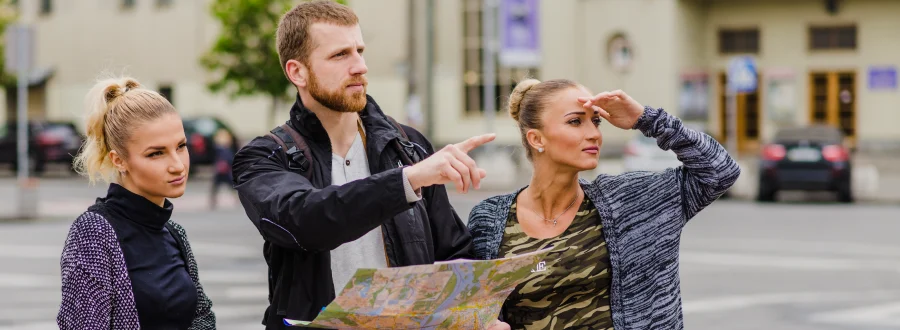
Visiting an unfamiliar destination can be an exciting experience, but it can also create challenges. Travelers may not know which places are worth visiting, how local transportation works, where to find traditional food, or which areas offer a genuine view of daily life. A local guide can make this experience easier by providing knowledge that is based on familiarity with the destination.
Rather than relying only on general travel information, visitors can learn directly from someone who understands the area and its character.
Understanding the Destination Better
Every destination has its own history, customs, neighborhoods, and traditions. Reading about these things before a trip can provide useful background, but experiencing them with someone who knows the area can add another level of understanding.
A local guide can explain the stories behind important places and describe how different parts of the community have developed over time. This allows travelers to connect individual attractions with the wider history of the destination.
Making Travel Planning Simpler
Planning a trip can sometimes become overwhelming. There may be dozens of attractions, activities, restaurants, and sightseeing options to consider. Travelers with limited time may struggle to decide what should be included in their itinerary.
A knowledgeable local guide can help create a practical experience based on available time and personal interests. This can reduce unnecessary travel between locations and allow visitors to spend more time enjoying the destination.
Good planning is particularly valuable when someone has only a short period to explore.
Discovering Neighborhood Experiences
Tourist attractions often receive the most attention, but neighborhoods can reveal a different side of a destination. Local streets, markets, small businesses, public spaces, and community areas can provide a closer look at everyday life.
A local guide may know which neighborhoods are interesting to explore and what makes each area different. Visitors can discover places that may not be obvious to someone seeing the destination for the first time.
These experiences can make a trip feel less predictable and more personal.
Learning Local Etiquette
Different communities may have their own customs and social expectations. Something that seems normal in one place may be considered inappropriate somewhere else.
A local guide can explain simple etiquette related to clothing, greetings, photography, religious locations, dining, and interactions with residents. Understanding these expectations helps travelers behave respectfully and avoid unnecessary misunderstandings.
Showing respect for local customs also creates a more positive experience for both visitors and residents.
Finding Regional Specialties
Trying regional food is one of the easiest ways to experience a destination. However, travelers may not always know which dishes are genuinely local or where they can be enjoyed.
A local guide can introduce visitors to traditional specialties and explain their cultural importance. They may also suggest markets, small eateries, or food areas that provide a more authentic experience.
For people interested in food and culture, these recommendations can become highlights of the trip.
Getting Useful Transportation Advice
Transportation can be confusing in a new place. Visitors may need to understand public transportation, walking routes, local taxis, or other ways of getting around.
Someone familiar with the area can offer practical guidance about convenient travel options. This can help visitors avoid wasting time and make it easier to move between different parts of the destination.
Simple transportation advice can have a major effect on how comfortable a trip feels.
Supporting Local Experiences
Choosing a local guide can also encourage travelers to engage with the local community. Instead of experiencing a destination only through large tourist attractions, visitors can learn about independent businesses, local traditions, and community-based activities.
This creates opportunities to interact more directly with the people and places that give a destination its identity.
A Better Experience for Different Travelers
A local guide can be useful for many types of travelers. Families may need activities that are convenient for children, while solo travelers might want cultural or social experiences. Couples may prefer scenic locations, and history enthusiasts may want deeper information about historic sites.
Personal interests can shape the experience, making the journey more enjoyable and relevant.
Conclusion
Exploring a new destination becomes easier when travelers have access to reliable local knowledge. A local guide can provide cultural insight, practical advice, neighborhood recommendations, food suggestions, and personalized experiences that are difficult to gain from a standard itinerary alone.
For travelers who want to understand a destination rather than simply pass through it, local knowledge can turn an unfamiliar place into a memorable and meaningful experience.