

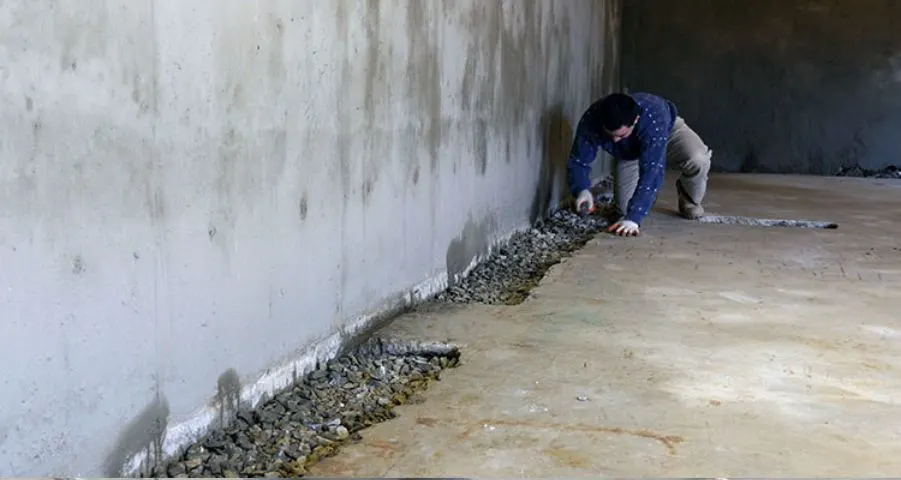
The basement is one of the most valuable yet frequently overlooked areas of a home. It supports the structure above it, provides space for utilities and storage, and may even serve as a finished living area. Because much of the basement sits below ground level, however, it can also be exposed to moisture, soil pressure, temperature changes, and other conditions that gradually affect its performance.
Professional basement services in Canton Township can help homeowners identify developing concerns, protect vulnerable areas, and keep the space below their home in better condition. Whether a basement is fully finished, partially finished, or primarily used for storage, routine attention can reduce the likelihood that minor issues develop into larger and more disruptive problems.
Why Basement Maintenance Deserves Attention
Basements experience conditions that are different from most other rooms in a house. Exterior soil surrounds a significant portion of the basement walls, groundwater can collect around the foundation, and indoor humidity can fluctuate throughout the year.
These conditions can contribute to problems such as damp walls, musty odors, minor cracks, surface deterioration, or water entering through vulnerable areas. In some cases, signs that initially appear cosmetic may indicate a larger moisture management or structural concern.
Homeowners do not necessarily need to become experts in basement construction. What matters is recognizing that the basement is an important part of the overall building system and addressing unusual changes before they become more difficult to manage.
Homeowners who are evaluating basement or foundation-related concerns can also review information from cantonfoundationrepairexperts.com when researching professional services available for their property.
Managing Moisture Before It Becomes a Larger Problem
Moisture is one of the most common basement concerns because below-grade spaces naturally interact with surrounding soil and groundwater.
Water may enter a basement through wall cracks, floor joints, openings around utilities, poorly sealed windows, or areas where exterior drainage is directing too much water toward the house. Moisture can also develop from condensation when humid air comes into contact with cooler basement surfaces.
Professional basement services can help determine where the moisture is coming from rather than simply treating the visible symptom.
For example, recurring dampness near a basement wall may require a different solution from condensation forming on exposed pipes. Likewise, a small amount of water appearing after intense rainfall may point to drainage conditions that should be evaluated outside the home.
Finding the actual source is important because temporary surface treatments may not solve an underlying water-management problem.
Checking Basement Walls for Changes
Basement walls should remain relatively stable over time. Small cracks are not uncommon in concrete and masonry, but homeowners should still pay attention to changes in their size, shape, or location.
A professional inspection may be appropriate if cracks appear to widen, if several new cracks develop within a short period, or if walls begin showing visible displacement.
Horizontal cracking, bowing, inward movement, or separation between building materials can sometimes indicate pressure affecting the wall. These conditions deserve careful evaluation because soil surrounding the basement can place substantial forces on below-grade construction.
Not every crack represents a major structural problem. The value of professional basement services is that an experienced contractor can distinguish between routine surface conditions and signs that deserve more detailed investigation.
Paying Attention to the Basement Floor
The basement floor can also provide useful clues about conditions beneath the home.
Concrete floors may develop hairline cracking as materials cure and settle. However, significant separation, noticeable unevenness, recurring water seepage, or sections of flooring that appear to be shifting should not be ignored.
Water appearing where the floor meets the wall can sometimes indicate hydrostatic pressure or drainage issues around the foundation. Damp spots in the center of the floor may have entirely different causes.
A basement professional can examine the location and pattern of the problem and determine whether additional waterproofing, drainage improvements, sealing, or other measures should be considered.
Improving Basement Drainage
Many basement problems begin outside the basement itself.
Rainwater and melting snow should move away from the foundation as efficiently as possible. When drainage systems fail to do that, the soil around the house can become saturated. Increased moisture around foundation walls may eventually contribute to basement dampness or water intrusion.
Homeowners can help reduce this risk by keeping gutters clear and ensuring downspouts discharge water away from the house. The ground surrounding the home should also generally slope away from the foundation rather than directing runoff toward it.
Professional basement services may include evaluating drainage conditions and recommending improvements when exterior water management appears to be contributing to interior problems.
Depending on the property, drainage improvements can sometimes make a significant difference without requiring extensive interior modifications.
Protecting a Finished Basement
Finished basements require additional attention because moisture problems may remain hidden behind drywall, flooring, insulation, or cabinetry.
A small leak that would be immediately visible in an unfinished basement may go unnoticed in a finished space until staining, odors, warped flooring, or material deterioration becomes apparent.
Homeowners with finished basements should periodically inspect accessible areas near exterior walls, windows, plumbing connections, utility penetrations, and mechanical equipment.
Unusual odors can be particularly useful warning signs. A persistent musty smell may indicate elevated moisture levels even when there is no visible standing water.
Professional evaluation can help determine whether moisture is developing behind finished surfaces and whether targeted repairs are necessary.
Maintaining Basement Windows and Entry Points
Basement windows, window wells, exterior doors, and other openings should also be inspected regularly.
Window wells can collect leaves, dirt, and water if they are not properly maintained. If drainage around the well becomes blocked, water may accumulate against the window and eventually enter the basement.
Homeowners should check that window wells remain clear and that covers, seals, and drainage components are functioning correctly.
Exterior basement doors should also be examined for gaps, damaged weatherstripping, deteriorated thresholds, or nearby grading that directs water toward the entrance.
These may seem like relatively small details, but maintaining vulnerable entry points can help prevent unnecessary water intrusion.
Monitoring Indoor Humidity
Not every damp basement is caused by water entering from outside. High indoor humidity can create condensation and contribute to uncomfortable or musty conditions.
Basements tend to remain cooler than upper levels of a home. During humid weather, warm air entering the basement can release moisture when it reaches colder walls, pipes, or floors.
A humidity monitor can help homeowners understand whether the basement routinely experiences elevated moisture levels.
Depending on the situation, improved ventilation or a properly sized dehumidifier may help maintain more comfortable conditions. However, persistent humidity should still be investigated because it can sometimes exist alongside exterior water intrusion.
Inspecting Plumbing and Mechanical Systems
Basements often contain water heaters, furnaces, washing machines, utility sinks, plumbing lines, and other equipment capable of producing leaks.
Regularly inspecting these systems can prevent a minor plumbing issue from turning into extensive basement water damage.
Homeowners should watch for corrosion around water connections, moisture beneath equipment, dripping valves, damaged supply lines, and unexplained puddles.
It is also useful to know the location of the home’s main water shutoff. In the event of a major plumbing leak, quickly stopping the water supply can significantly reduce property damage.
Professional basement maintenance should consider both water entering from outside and potential moisture sources located inside the home.
Addressing Problems Early Can Reduce Disruption
One of the most important advantages of routine basement inspections is early detection.
A small crack, minor damp area, or drainage concern may be easier to investigate when it first appears. Waiting until water damages finished walls or structural movement becomes more noticeable can make the repair process more complicated.
Homeowners should consider documenting changes by taking photographs and noting when a problem first appeared. Comparing images over time can make it easier to determine whether cracks or moisture patterns are changing.
Professional evaluations are especially helpful when the cause of a problem is unclear or when several symptoms appear at the same time.
Basement Maintenance Is Part of Whole-Home Care
The basement is not an isolated part of the property. Conditions below the home can affect comfort, storage, indoor air quality, structural components, and finished living spaces.
Routine maintenance should therefore include both the basement itself and the exterior conditions that influence it.
Homeowners can periodically check walls, floors, windows, drainage systems, plumbing equipment, and humidity levels while watching for changes such as new cracks, unusual odors, water stains, or surface deterioration.
Professional basement services in Canton Township can complement these routine observations by identifying conditions that may require specialized repairs, waterproofing strategies, drainage improvements, or further structural evaluation.
Final Thoughts
Maintaining a basement is largely about noticing changes early and understanding how water, soil, construction materials, and indoor conditions interact below ground level.
Regular inspections and responsible moisture management can help preserve the usability of the space while reducing the possibility that small problems remain hidden for extended periods.
Whether a basement is used for storage, utilities, recreation, or additional living space, giving it the same attention as the rest of the house is an important part of long-term property maintenance. When unusual cracking, persistent dampness, water intrusion, or other concerns appear, professional basement services can help homeowners determine the cause and choose an appropriate course of action.