

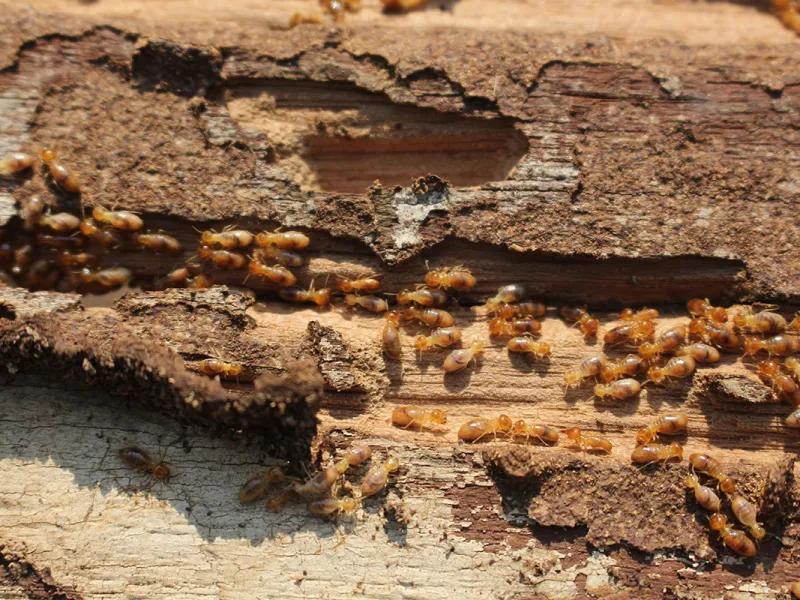
Shreveport sits in the northwest corner of Louisiana, and while its climate is somewhat drier than the coastal parishes, it still falls firmly in the humid subtropical zone that makes the entire state a hotspot for pest activity. Homeowners here deal with a pest landscape that changes with the seasons but never fully disappears.
Whether you live in a newer subdivision in Bossier City adjacent to Shreveport or in an older historic home near the Red River, understanding the early warning signs of termites and pest infestations can save you from serious financial damage. Getting ahead of pest problems with professional Shreveport pest control is always less expensive and less stressful than addressing them after the fact.
Why Shreveport’s Climate Creates Year-Round Pest Pressure
Northwest Louisiana experiences hot, humid summers and mild winters, with enough rainfall throughout the year to keep soil moisture levels elevated. These conditions favor the same species that plague homes across the rest of the state, including subterranean termites, cockroaches, fire ants, and rodents.
The Red River floodplain that runs through the Shreveport metro area contributes to elevated soil moisture near the riverbanks and in low-lying neighborhoods, making termite pressure higher in those areas. But no part of the city is truly immune — termites and other pests don’t respect property lines or neighborhood boundaries.
Seasonal Pest Activity in Shreveport
Understanding when different pests are most active helps homeowners stay ahead of infestations:
- Spring (March to May): Termite swarm season begins. Fire ants become highly active. Mosquitoes start appearing as temperatures rise.
- Summer (June to August): Peak activity for mosquitoes, cockroaches, and fire ants. Termite colonies are actively foraging and expanding.
- Fall (September to November): Rodents begin seeking warmth inside homes. Stink bugs and occasional invaders become more common.
- Winter (December to February): Pest activity slows but doesn’t stop. Rodents remain active indoors. Termites continue to operate in heated spaces and below the frost line.
Early Warning Signs of Termite Infestations
The most important thing to understand about termites is that visible damage is almost never the first sign of an infestation. By the time you can see structural damage, a colony has typically been active for at least one to two years. Knowing what to look for before damage becomes obvious is critical.
Signs Inside Your Home
- Mud tubes on interior walls or in crawl spaces: These pencil-width tunnels are how subterranean termites travel from the soil to wood sources above ground. Finding them inside means the colony has already established a route into your home’s structure.
- Hollow-sounding wood: Termites eat wood from the inside out, leaving a thin outer shell. Tap along baseboards, door frames, and hardwood floors. A hollow sound where there should be solid wood is a serious red flag.
- Tight-fitting doors and windows that suddenly stick: As termites consume and damage wood framing, the structural changes can cause doors and windows to warp and no longer open and close smoothly. Many homeowners attribute this to humidity, but termite damage is a common cause.
- Small piles of frass: Drywood termites push their fecal pellets out of small holes in wood. These look like tiny grains of pepper or sawdust and may appear on windowsills, floors, or furniture.
- Peeling or bubbling paint: While this can indicate moisture issues, it is also associated with termite activity inside walls. The moisture termites introduce into wood can cause surface paint to separate.
Signs Outside Your Home
- Mud tubes along the foundation: Check your exterior foundation walls, especially in areas that stay shaded and damp. Mud tubes running vertically up the foundation are a clear indicator of subterranean termite activity.
- Damaged or soft wood near the ground: Porch steps, deck supports, fence posts, and siding that is in contact with or close to soil are high-risk areas. Probe these with a screwdriver — if it sinks in without much resistance, the wood has been compromised.
- Swarmers near exterior lights: Termite swarmers are strongly attracted to light sources. Finding large numbers of small winged insects around porch lights or window frames during spring evenings is a strong indicator of nearby termite activity.
What to Do When You Spot Warning Signs
If you identify any of the signs described above, the most important step is to stop trying to address it yourself and contact a licensed professional. Here’s why:
Many homeowners instinctively reach for a can of spray when they spot something concerning, but applying the wrong treatment can actually make a termite problem harder to resolve. Some repellent products cause termites to scatter and establish new entry points rather than eliminating the colony. Proper termite control Shreveport requires a trained technician to assess the extent of the infestation, identify the species involved, and apply the right combination of treatments to eliminate the colony at its source.
Common Household Pests in Shreveport Beyond Termites
Fire Ants
Fire ants are one of the most aggressive pests in the Shreveport region. They build large underground mounds that can appear suddenly in lawns, garden beds, and near home foundations. Their stings are painful and can trigger severe allergic reactions in some individuals. Children and elderly family members are particularly vulnerable. Fire ant colonies can contain hundreds of thousands of individuals and expand quickly if not treated professionally.
German Cockroaches
German cockroaches are the indoor species that cause the most concern for Shreveport homeowners. Unlike the larger American cockroach that typically enters from outside, German cockroaches establish themselves inside kitchens and bathrooms and reproduce rapidly. A small population can become a major infestation within weeks. They contaminate food and surfaces with bacteria and allergens that can trigger asthma symptoms, particularly in children.
Rodents
As fall temperatures drop, mice and rats begin actively seeking entry into homes. Common entry points include gaps around utility pipes, under garage doors, and through damaged vent screens. Rodents in the attic or walls chew insulation and wiring, creating fire hazards. Professional rodent control involves both elimination of existing populations and exclusion work to prevent re-entry.
Mosquitoes
Shreveport’s warm summers and scattered rainfall create conditions for significant mosquito populations. The Red River corridor and any properties with low-lying areas, birdbaths, or irrigation systems that create standing water are especially vulnerable. Professional mosquito treatment programs using barrier sprays and larvicide applications can reduce populations by 80 to 90 percent around treated properties.
The Value of a Preventive Pest Control Plan
Reactive pest control — treating problems after they appear — is always more expensive and disruptive than proactive prevention. A preventive pest control plan for a Shreveport home typically includes:
- Quarterly exterior perimeter treatments to eliminate pest entry points
- Annual termite inspection with monitoring stations around the foundation
- Seasonal adjustments to address peak activity periods for specific pests
- Interior treatments for kitchens, bathrooms, and other vulnerable areas as needed
- A detailed record of all treatments applied, which is valuable documentation for real estate transactions
For homeowners who are considering selling their property, having a documented history of professional pest control inspections and treatments is a genuine selling point. Real estate transactions in Louisiana require termite clearance letters, and buyers increasingly look for evidence of ongoing pest management.
FAQ
Q: How long does it take for termites to cause serious structural damage to a home? A: This depends on the species and colony size. Native subterranean termite colonies typically cause visible structural damage over three to eight years. Formosan termite colonies, which can be much larger, may cause significant damage in one to two years. This is why annual inspections are so important — catching an infestation early dramatically limits the damage.
Q: Can I treat my own yard for fire ants effectively? A: Over-the-counter fire ant baits and contact treatments can provide temporary relief but rarely eliminate an entire colony. Queen ants remain underground and continue producing new workers. Professional treatments use products that are transferred through the colony to the queen, which is the only way to fully eliminate a colony. For severe or recurring fire ant problems, professional treatment is significantly more effective.
Q: What’s the most effective type of termite treatment? A: There are two primary professional approaches: liquid soil treatments and baiting systems. Liquid treatments create a chemical barrier in the soil around a structure that kills termites passing through it. Baiting systems use slow-acting toxicants that foraging termites carry back to the colony. Many pest control professionals recommend a combination of both for maximum protection, particularly in high-risk areas.
Q: Do termites only eat wood? A: Termites primarily target cellulose, which is found in wood, but they will also consume paper, cardboard, certain insulation materials, and even some fabrics. This means books, stored documents, and cardboard boxes in crawl spaces and attics are also at risk in a termite-infested home.
Q: How do I prevent cockroaches from coming into my kitchen? A: Prevention starts with eliminating food and moisture sources. Keep food in sealed containers, fix leaky pipes, empty trash regularly, and seal gaps around pipes under sinks. However, in a humid climate like Shreveport’s, even a clean kitchen can attract cockroaches. Regular professional perimeter treatments significantly reduce the likelihood of indoor infestations.