

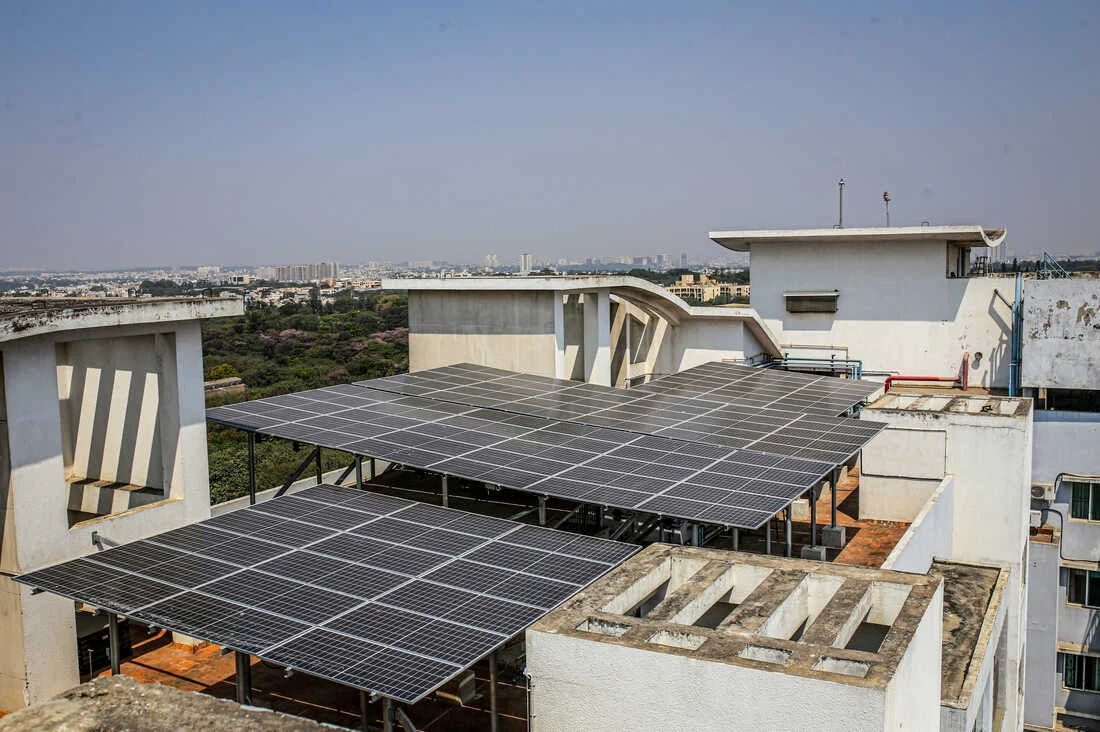
Thailand’s energy mix is changing as rooftop solar becomes a practical option for homes, shops, and small factories. Rising power bills, strong sunlight, and better access to equipment have pushed more people to look at solar in a serious way. In many areas, local solar installers now play a larger role in helping property owners understand what a system can and cannot do.
This rise in rooftop systems is easy to explain. Thailand receives high solar radiation through much of the year, which makes roof space a useful source of power. At the same time, local solar installers often understand local roof types, weather patterns, and grid connection rules better than outsiders, which helps projects move with fewer surprises.
For homeowners and business owners, rooftop solar can lower daytime electricity use from the grid and offer more control over energy costs. Still, results depend on roof size, shade, budget, and power use during the day. Talking to local solar installers can help people check if their building suits solar before they spend money on equipment.
Why rooftop solar is growing in Thailand
Thailand’s climate gives solar panels a strong base for good output. In cities such as Bangkok, Chiang Mai, Khon Kaen, and Hat Yai, many buildings have roof areas that can support small or medium systems. Homes with high daytime air-conditioning use may see the clearest value, while offices and retail units can also benefit from power produced during business hours.
Policy and public awareness have also helped. More people now understand how rooftop systems work, and solar panels have become a common sight in urban and suburban areas. This familiarity has reduced doubt and made solar feel like a normal part of building design rather than a niche option.
What makes a rooftop system work well
A good rooftop system starts with the roof itself. Direction, tilt, shading, and structural strength all affect output. In Thailand, heavy rain and strong heat also matter, so equipment and mounting need to suit local conditions.
Power use patterns are just as important. A household that uses most of its electricity at night may not gain as much from a basic solar system without battery storage. By contrast, a business that runs air conditioning, lighting, and equipment through the day may use a large share of solar power as it is generated.
Common issues to think about
One common mistake is assuming every roof will produce the same results. Trees, nearby buildings, or roof features can cut panel performance. Another issue is expecting very short payback periods without checking actual electricity use.
Maintenance is often simple, but it should not be ignored. Dust, fallen leaves, and storm debris can reduce output over time. System owners should also understand inverter life, safety checks, and any local rules linked to grid connection.
Conclusion
Rooftop solar has gained ground in Thailand because it matches local conditions and rising interest in managing energy costs. Strong sunlight, improving awareness, and wider access to technical support have all helped drive this shift. Still, solar works best when decisions are based on roof quality, daytime electricity use, and realistic expectations.
Anyone thinking about a rooftop system should start with a clear review of their building and power bills. A careful assessment can show if solar is a good fit and what size system makes sense.