

Keeping your home clean and comfortable is a priority for every homeowner, but unwanted pests can quickly disrupt that environment. From ants invading the kitchen to rodents hiding in the attic, household pests can cause property damage, spread diseases, and create an unhealthy living space. Understanding the most common household pests and learning how to prevent them is the first step toward maintaining a safe and pest-free home.
Why Household Pests Are a Concern
Many pests enter homes in search of food, water, and shelter. Once they find a suitable environment, they can reproduce rapidly, making even a small problem difficult to control. Some pests contaminate food, while others damage furniture, insulation, wiring, and wooden structures. Certain insects and rodents can also carry bacteria, viruses, and allergens that may affect your family’s health.
Preventive measures combined with professional pest-control services can significantly reduce the risk of infestations and help protect your property year-round.
Ants
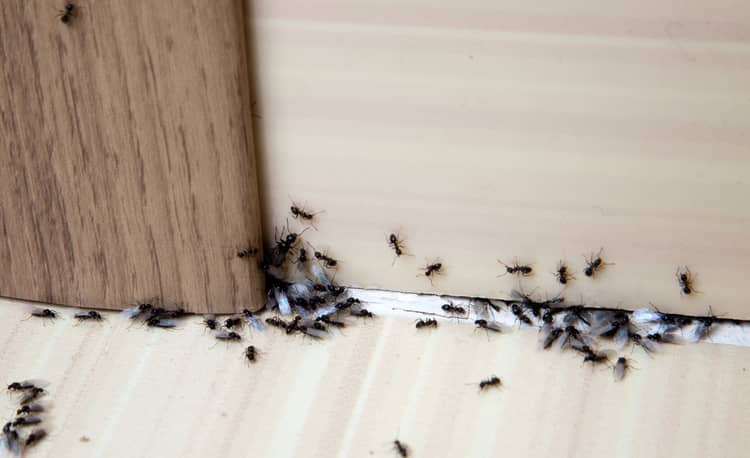
Ants are among the most common household pests. They usually enter homes through tiny cracks and gaps while searching for food. Kitchens, pantries, and dining areas are especially attractive because of crumbs, spills, and sugary substances.
Prevention Tips
- Wipe kitchen counters daily.
- Store food in sealed containers.
- Clean up spills immediately.
- Seal cracks around windows and doors.
- Remove standing water near sinks.
Although a few ants may seem harmless, large colonies can become difficult to eliminate without professional treatment.
Cockroaches
Cockroaches thrive in warm, dark, and humid environments. They are commonly found in kitchens, bathrooms, basements, and storage areas. These pests contaminate food and surfaces with bacteria and may trigger allergies and asthma.
Prevention Tips
- Take out garbage regularly.
- Fix leaking pipes and faucets.
- Vacuum frequently.
- Avoid leaving dirty dishes overnight.
- Seal entry points around plumbing.
Routine inspections can help detect hidden cockroach activity before it spreads throughout the home.
Rodents
Mice and rats are destructive pests that chew electrical wiring, insulation, furniture, and stored items. They also contaminate food with droppings and urine, increasing the risk of disease transmission.
Rodents often enter homes during colder months in search of warmth and shelter.
Prevention Tips
- Seal holes around foundations.
- Store pet food securely.
- Trim tree branches near the roof.
- Remove clutter from storage spaces.
- Keep outdoor garbage bins tightly closed.
Professional pest-control solutions can locate hidden nesting areas and prevent recurring infestations.
Termites
Termites are silent destroyers because they feed on wood from the inside out. Many homeowners do not notice termite activity until significant structural damage has already occurred.
Common warning signs include:
- Hollow-sounding wood
- Mud tubes on walls
- Discarded wings
- Sticking doors and windows
Prevention Tips
- Keep firewood away from the home.
- Repair leaking plumbing.
- Eliminate wood-to-soil contact.
- Schedule annual termite inspections.
Early detection is essential to minimize repair costs.
Spiders
Most spiders are harmless and help control other insects, but some species can become a nuisance indoors. Their presence often indicates that other insects are available as a food source.
Prevention Tips
- Reduce indoor clutter.
- Vacuum corners regularly.
- Remove webs promptly.
- Seal cracks around doors and windows.
- Reduce outdoor lighting that attracts insects.
Maintaining a clean environment discourages both spiders and the insects they feed on.
Mosquitoes
Mosquitoes are more than an outdoor annoyance. They can carry diseases and make spending time outside uncomfortable. They breed in standing water, even in small containers.
Prevention Tips
- Empty standing water weekly.
- Clean gutters regularly.
- Maintain swimming pools properly.
- Install window screens.
- Trim overgrown vegetation.
Reducing breeding sites around your property is one of the most effective ways to control mosquito populations.
Bed Bugs
Bed bugs hide in mattresses, furniture, and cracks during the day before feeding at night. They spread easily through luggage, clothing, and used furniture.
Signs of bed bugs include:
- Small red bites
- Blood spots on bedding
- Tiny dark stains
- Shed skins near mattresses
Prevention Tips
- Inspect hotel rooms while traveling.
- Wash bedding in hot water.
- Vacuum mattresses regularly.
- Examine secondhand furniture before bringing it home.
Professional treatment is usually necessary because bed bugs are difficult to eliminate completely.
Pantry Pests
Stored food products such as flour, rice, pasta, cereals, and grains may attract pantry pests including weevils and moths.
Prevention Tips
- Store dry goods in airtight containers.
- Rotate older food products first.
- Clean pantry shelves frequently.
- Discard infested products immediately.
Proper food storage greatly reduces the chance of infestation.
General Prevention Strategies
While different pests require different solutions, some preventive habits work against nearly all household invaders.
- Keep your home clean and clutter-free.
- Repair leaks promptly.
- Seal entry points around doors, windows, and foundations.
- Dispose of trash regularly.
- Maintain your yard by trimming shrubs and removing debris.
- Schedule routine home inspections.
These simple practices create an environment that is less attractive to pests.
When to Call Professionals
DIY methods may help with minor pest issues, but recurring infestations often require expert assistance. Professional technicians have access to specialized equipment, proven treatment methods, and the experience needed to identify hidden nesting areas.
Regular pest-control maintenance not only removes existing pests but also helps prevent future infestations through customized treatment plans and ongoing monitoring.
Conclusion
Household pests can affect your home’s comfort, safety, and value if left unchecked. Whether you are dealing with ants, rodents, cockroaches, termites, mosquitoes, or bed bugs, early prevention is always easier and more affordable than treating a major infestation. By practicing good sanitation, sealing entry points, and scheduling regular pest-control inspections, homeowners can protect their families and enjoy a healthier, pest-free living environment throughout every season.