

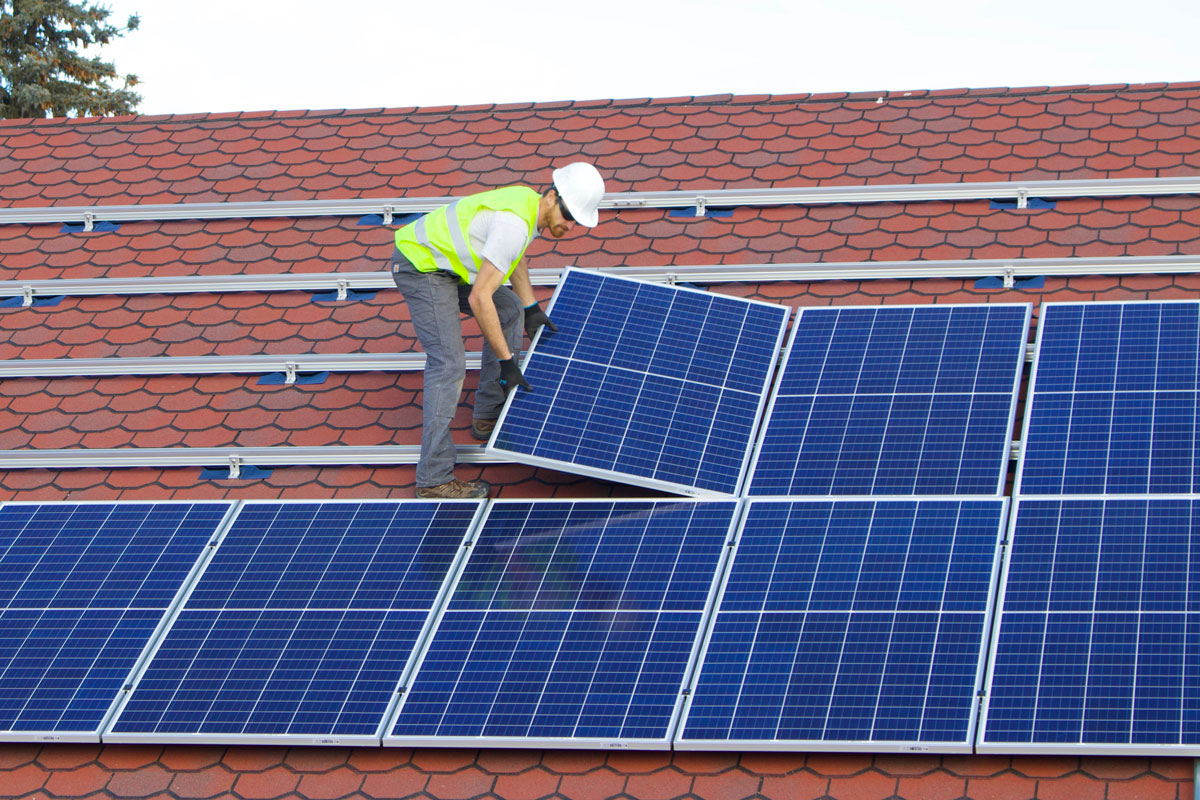
Installing a solar system is one of the best ways to reduce electricity bills and make your home more energy-efficient. With the growing demand for renewable energy, many homeowners are considering switching to solar power. However, choosing the right system requires careful planning and research. Every home has different energy needs, roof sizes, and budgets, so selecting the most suitable option is important for long-term performance. By understanding the key factors involved, homeowners can make a smart investment that provides reliable energy for many years.
Understand Your Energy Needs
The first step in choosing a solar system is understanding how much electricity your household uses. Reviewing your monthly electricity bills can help estimate the size of the system you need.
Things to evaluate include:
- Average monthly electricity usage
- Number of family members
- High-energy appliances
- Future energy requirements
- Seasonal electricity consumption
Knowing your energy needs helps you avoid installing a system that is either too small or larger than necessary.
Evaluate Your Roof
Your roof plays a major role in the performance of a solar system. The amount of sunlight your roof receives directly affects energy production.
Consider the following factors:
- Roof size
- Roof direction
- Roof angle
- Shade from trees or buildings
- Roof condition
A roof with good sunlight exposure usually produces more electricity throughout the year.
Choose High-Quality Solar Panels
Not all solar panels are the same. Choosing high-quality products ensures better efficiency and longer service life.
Look for panels with:
- High energy efficiency
- Strong weather resistance
- Reliable manufacturer warranty
- Durable construction
- Good customer reviews
Quality panels may cost more initially but often provide better long-term value.
Select the Right Inverter
The inverter converts the electricity generated by the panels into usable power for your home. It is one of the most important components of the entire system.
Important features include:
- High efficiency
- Reliable performance
- Safety protection
- Warranty coverage
- Easy monitoring
Choosing a quality inverter helps improve the overall performance of the system.
Compare Installation Companies
Professional installation is essential for safety and long-term reliability. An experienced installer can recommend the best system for your home.
Before hiring a company, check:
- Years of experience
- Customer reviews
- Certifications
- Warranty support
- Installation quality
- After-sales service
Choosing a trusted installer reduces the risk of future problems.
Consider Battery Storage
Some homeowners choose to install battery storage along with their solar system. Batteries store excess electricity for use during the evening or power outages.
Benefits of battery storage include:
- Backup electricity
- Better energy independence
- Reduced reliance on the power grid
- Improved energy efficiency
Although batteries increase the initial investment, they can provide greater convenience and reliability.
Calculate the Total Cost
The purchase price is only one part of the investment. Understanding all costs helps you plan your budget more effectively.
Expenses may include:
- Equipment costs
- Installation charges
- Electrical upgrades
- Maintenance
- Battery storage
- Monitoring systems
Comparing multiple quotes can help you find the best value.
Check Warranty and Maintenance
A good warranty provides peace of mind and protects your investment. Most modern systems require very little maintenance, but regular inspections help maintain efficiency.
Look for:
- Panel warranty
- Inverter warranty
- Installation warranty
- Maintenance support
- Performance guarantee
Reliable warranty coverage reduces future repair expenses.
Think About Long-Term Benefits
Installing a renewable energy system offers benefits that continue for many years. Besides reducing electricity costs, it can also increase your home’s value and improve energy efficiency.
Long-term advantages include:
- Lower monthly electricity bills
- Increased property value
- Reduced environmental impact
- Greater energy independence
- Low operating costs
- Long system lifespan
These benefits make solar a valuable investment for homeowners.
Conclusion
Choosing the right solar system requires careful planning, quality equipment, and professional installation. By evaluating your energy needs, selecting reliable components, and working with experienced installers, you can enjoy clean and affordable electricity for many years. Modern technology has made renewable energy more efficient and accessible than ever before. Investing in solar is not only a smart financial decision but also a positive step toward a more sustainable and energy-efficient future.