

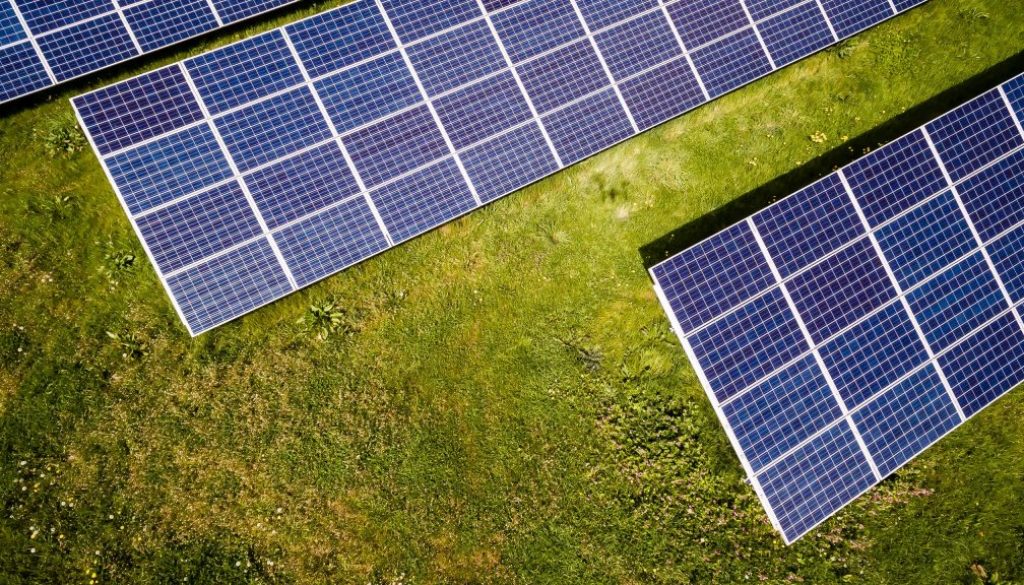
Solar energy has become one of the fastest-growing sources of renewable power around the world. As more homeowners and businesses install solar systems, many people are becoming interested in learning how they work. However, several myths and misunderstandings still prevent some people from making the switch. These misconceptions often create confusion about cost, performance, maintenance, and reliability. Understanding the facts can help you make informed decisions and enjoy the many benefits that renewable energy offers.
Myth 1: Solar Panels Only Work on Sunny Days
One of the most common myths is that solar panels only produce electricity when the sun is shining brightly. While direct sunlight helps generate more power, modern panels can also produce electricity on cloudy or rainy days.
The truth is:
- Panels work in daylight, not just bright sunshine.
- Cloudy weather may reduce output but does not stop production.
- Modern technology improves efficiency in different weather conditions.
- Many regions with mixed climates successfully use solar systems.
This makes solar a practical option in many different locations.
Myth 2: Solar Energy Is Too Expensive
Many people believe that installing a solar system is far beyond their budget. While there is an initial investment, prices have become much more affordable over the years.
Financial benefits include:
- Lower electricity bills
- Long-term savings
- Reduced energy costs
- Increased property value
- Government incentives in many areas
Over time, the savings often recover the installation cost.
Myth 3: Solar Systems Require Constant Maintenance
Some people worry that solar panels require frequent repairs and expensive maintenance. In reality, most systems are designed to operate for many years with very little attention.
Basic maintenance usually includes:
- Cleaning dust and dirt
- Checking electrical connections
- Inspecting panels for damage
- Monitoring energy production
Professional inspections every few years help keep the system performing efficiently.
Myth 4: Solar Panels Damage Your Roof
Many homeowners are concerned that installing panels will damage their roof. When installed correctly by experienced professionals, solar systems are designed to protect rather than harm the roof.
Professional installation offers:
- Secure mounting systems
- Weather-resistant sealing
- Proper weight distribution
- Long-lasting durability
A quality installation minimizes the risk of roof damage.
Myth 5: Solar Energy Cannot Power an Entire Home
Another common misunderstanding is that renewable energy can only supply a small portion of household electricity. The truth depends on the size of the system and the home’s energy consumption.
A properly designed system can support:
- Lighting
- Kitchen appliances
- Air conditioning
- Heating systems
- Home electronics
- Water heating
Many households generate enough electricity to meet most of their daily needs.
Myth 6: Solar Technology Does Not Last Long
Modern systems are built to last for decades. Manufacturers continue improving panel quality, durability, and efficiency every year.
Long-lasting features include:
- Weather-resistant materials
- Durable glass surfaces
- Strong aluminum frames
- Reliable electrical components
- Long product warranties
With proper maintenance, systems can continue producing electricity for many years.
Myth 7: Solar Is Only for Large Homes
Some people think renewable energy is only suitable for large houses with huge roofs. Today, systems are available in many different sizes to fit various property types.
Suitable properties include:
- Small homes
- Large family houses
- Apartments with shared systems
- Commercial buildings
- Farms
- Small businesses
Professional installers can design systems based on available space and energy needs.
Benefits of Choosing Solar
More homeowners and businesses continue investing in renewable energy because of its many advantages.
Some important benefits include:
- Lower monthly electricity bills
- Reduced carbon emissions
- Greater energy independence
- Low maintenance requirements
- Increased property value
- Reliable long-term performance
These benefits make solar an attractive investment for many property owners.
Tips Before Installing a Solar System
Before making an investment, it is important to evaluate your energy requirements and choose a reliable installer.
Things to consider include:
- Your average electricity usage
- Roof condition
- Sunlight exposure
- System size
- Installation quality
- Product warranty
Careful planning helps ensure the system delivers the expected performance.
Conclusion
Many of the myths surrounding solar energy are based on outdated information or common misunderstandings. Modern technology has made renewable energy more affordable, efficient, and reliable than ever before. By learning the facts instead of believing misconceptions, homeowners and businesses can make confident decisions about investing in clean energy. As demand continues to grow, solar remains one of the best solutions for reducing electricity costs while supporting a cleaner and more sustainable future.
