

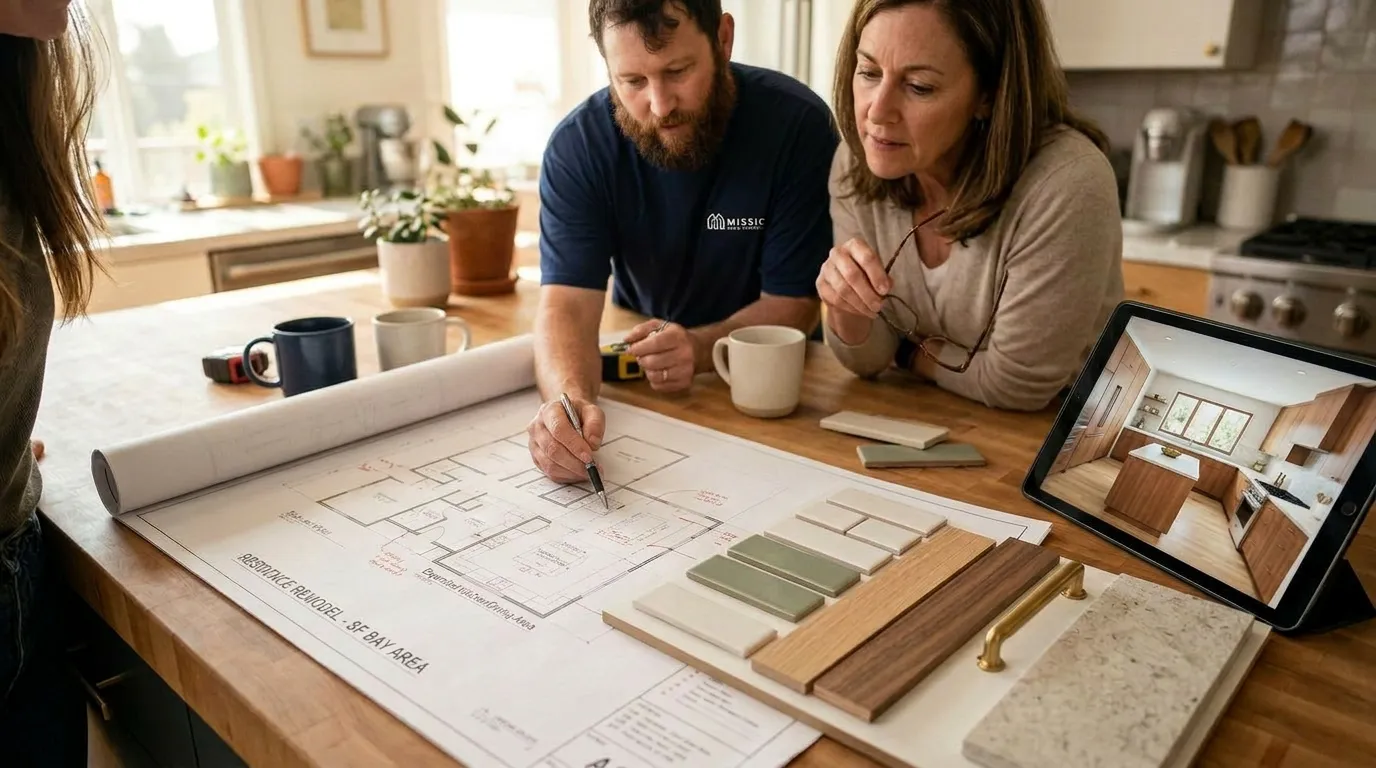
Improving a home is an exciting opportunity to create a space that better suits your lifestyle while increasing comfort and property value. Whether you are updating an older house, improving energy efficiency, or redesigning interior spaces, careful planning is the foundation of every successful project. Rather than making random upgrades, homeowners benefit most from improvements that balance functionality, durability, and visual appeal.
A well-executed renovation not only enhances the appearance of a property but also addresses practical concerns such as storage, maintenance, safety, and long-term performance. By approaching the project with clear objectives, you can make informed decisions that provide lasting value for years to come.
Define Your Goals
Every renovation project should begin with a clear understanding of what you want to achieve. Some homeowners prioritize creating more living space, while others focus on modernizing outdated rooms or improving energy efficiency.
Consider the following questions before starting:
- Which areas of the home need improvement?
- What problems should the project solve?
- How long do you plan to live in the home?
- What features are most important to your family?
- What budget can you comfortably allocate?
Answering these questions helps establish realistic expectations and prevents unnecessary changes during construction.
Homeowners looking for expert guidance on renovation often find that detailed planning leads to smoother projects and better long-term results.
Set a Realistic Budget
Creating a detailed budget is one of the most important steps in any home improvement project. In addition to construction costs, remember to account for permits, materials, labor, design services, and unexpected expenses.
Many homeowners also include a contingency fund to cover unforeseen issues that may arise once work begins, especially in older properties.
Careful budgeting allows you to prioritize improvements without compromising quality.
Focus on High-Impact Areas
Certain rooms provide greater value than others when updated thoughtfully.
The kitchen remains one of the most popular renovation projects because it serves as the central gathering space in many homes. Upgrading cabinets, countertops, appliances, and lighting improves both functionality and appearance.
Bathrooms also benefit from modern fixtures, improved storage, efficient plumbing, and better ventilation.
Living rooms, bedrooms, and entryways can often be refreshed with updated flooring, paint, lighting, and built-in storage.
Improve the Layout
Many older homes have layouts that no longer support modern lifestyles. Opening walls where appropriate, improving traffic flow, and creating flexible living spaces can dramatically enhance daily comfort.
Functional layouts allow family members to move freely while making rooms feel more spacious and inviting.
Whenever structural changes are involved, professional guidance helps ensure safety and compliance with local building regulations.
Upgrade Energy Efficiency
Energy-efficient improvements reduce monthly utility bills while making homes more comfortable throughout the year.
Common upgrades include:
- Better insulation
- Double- or triple-glazed windows
- LED lighting
- Smart thermostats
- Energy-efficient appliances
- High-performance heating and cooling systems
These improvements often provide ongoing financial savings while reducing environmental impact.
Select Durable Materials
Choosing quality materials is essential for achieving long-lasting results. Flooring, cabinetry, countertops, roofing, and exterior finishes should be selected based on durability as well as appearance.
Materials that resist moisture, scratches, and daily wear require less maintenance and retain their value over time.
Investing in quality products usually proves more economical than replacing lower-quality materials after only a few years.
Add Practical Storage
Storage is often overlooked during renovation planning, yet it significantly improves everyday living.
Useful storage solutions include:
- Built-in wardrobes
- Pantry organization
- Custom shelving
- Under-stair storage
- Window seating with storage
- Garage organization systems
Efficient storage helps maintain clean, organized living spaces without sacrificing style.
Enhance Lighting
Lighting transforms how a home looks and feels. Combining natural daylight with layered artificial lighting creates comfortable and functional interiors.
Effective lighting strategies include:
- Larger windows where possible
- Skylights
- Recessed ceiling lighting
- Pendant fixtures
- Task lighting for kitchens and workspaces
- Accent lighting for decorative features
A balanced lighting plan makes rooms feel brighter, larger, and more welcoming.
Work with Qualified Professionals
Complex home improvements often require collaboration among architects, designers, engineers, electricians, plumbers, and contractors.
Experienced professionals help ensure that structural work, electrical systems, plumbing installations, and finishing details meet current building standards.
Regular communication throughout the project reduces misunderstandings and helps maintain schedules and budgets.
Think Long-Term
The most successful renovation projects are those designed with the future in mind. Rather than following short-term design trends, focus on timeless materials, practical layouts, and durable construction methods that continue to perform well for many years.
Flexible spaces can adapt to changing family needs, while quality craftsmanship minimizes future maintenance requirements.
A carefully planned renovation is more than an aesthetic upgrade—it is an investment in comfort, functionality, and property value. By establishing clear goals, selecting reliable materials, improving energy efficiency, and working with experienced professionals, homeowners can create spaces that enhance everyday life while standing the test of time. Thoughtful improvements today help ensure that your home remains beautiful, practical, and valuable well into the future.