

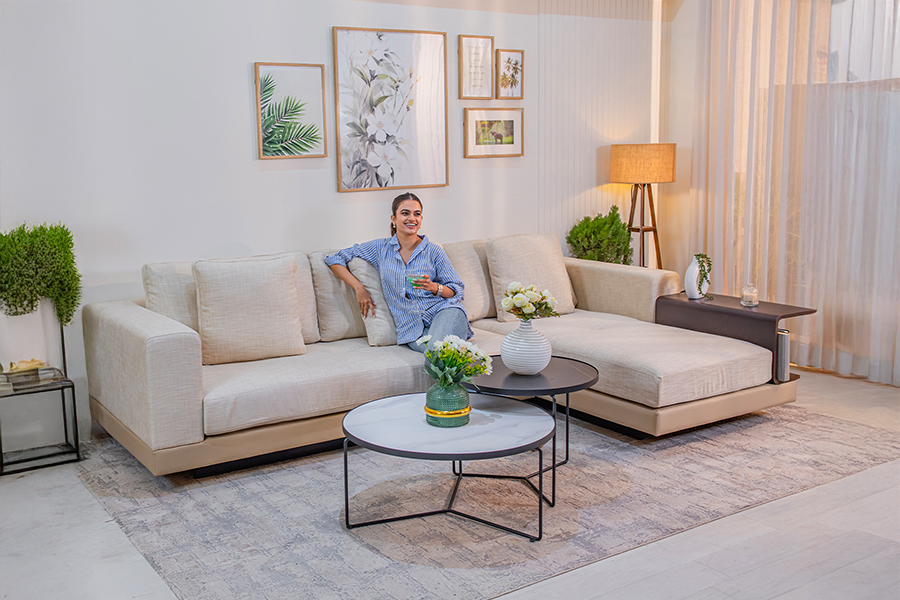
Updating a home is one of the most effective ways to improve its appearance, functionality, and overall value. Whether you’re modernizing an older property or making changes to better suit your lifestyle, careful planning can turn outdated spaces into practical and inviting environments. A successful home improvement project is not simply about replacing finishes or adding new features—it involves creating spaces that meet both current and future needs.
Every property has unique strengths and challenges. Understanding your goals before beginning any work helps ensure that time, effort, and budget are invested wisely. With the right strategy, homeowners can enjoy lasting improvements that enhance everyday living while increasing the property’s long-term appeal.
Start with a Clear Plan
Every successful project begins with careful preparation. Before making any structural or cosmetic changes, evaluate the current condition of your home and identify areas that require improvement.
Consider questions such as:
- Which rooms need the most attention?
- What problems should be solved first?
- How will the improvements support daily living?
- What budget is available?
- Which upgrades will provide the greatest long-term value?
Creating a detailed plan reduces unexpected expenses and helps keep the project organized from beginning to end.
For homeowners considering a renovation, establishing clear priorities before construction begins leads to better results and a smoother overall experience.
Focus on Functionality First
While appearance is important, functionality should always be the primary objective. Improving the layout of a home often delivers greater benefits than simply replacing finishes.
Common functional upgrades include:
- Expanding storage space
- Improving room layouts
- Updating kitchens and bathrooms
- Increasing natural light
- Enhancing accessibility
- Improving ventilation
These improvements create a more comfortable home while supporting changing family needs over time.
Upgrade the Kitchen
The kitchen is often considered the heart of the home. Modernizing this space can significantly improve both daily convenience and property value.
Popular kitchen improvements include:
- Energy-efficient appliances
- Additional cabinet storage
- Durable countertops
- Improved lighting
- Functional islands
- Updated flooring
Thoughtful kitchen planning creates an environment that is attractive, efficient, and easy to maintain.
Modernize Bathrooms
Bathrooms benefit greatly from practical upgrades that improve comfort and efficiency.
Useful improvements include:
- Water-saving fixtures
- Walk-in showers
- Better ventilation
- Modern vanities
- Additional storage
- Improved lighting
Even relatively small updates can create a noticeable difference in both appearance and functionality.
Improve Energy Efficiency
Many homeowners now prioritize energy-efficient upgrades during renovation projects. These improvements reduce utility costs while increasing year-round comfort.
Consider adding:
- High-performance insulation
- Energy-efficient windows
- LED lighting
- Smart thermostats
- Solar energy systems
- Efficient heating and cooling equipment
Lower energy consumption benefits both the homeowner and the environment.
Refresh Interior Finishes
Updating interior surfaces can dramatically transform the appearance of a home.
Popular improvements include:
- Fresh paint
- New flooring
- Modern lighting fixtures
- Updated doors
- Decorative trim
- Contemporary hardware
Neutral finishes provide timeless appeal while allowing flexibility for future decorating changes.
Maximize Natural Light
Bright interiors feel larger, cleaner, and more welcoming. Increasing natural light can improve both appearance and well-being.
Possible solutions include:
- Larger windows
- Glass doors
- Skylights
- Open floor plans
- Light-colored finishes
- Strategically placed mirrors
Natural daylight also reduces dependence on artificial lighting during daytime hours.
Add Smart Storage Solutions
Storage is one of the most valuable features in any home. Well-designed storage reduces clutter and improves organization.
Effective options include:
- Built-in shelving
- Under-stair storage
- Custom closets
- Pantry organization
- Multifunctional furniture
- Garage storage systems
Planning storage early in the project helps maximize every available square foot.
Choose Durable Materials
Quality materials play an important role in the long-term success of any renovation project. Durable flooring, cabinetry, countertops, and fixtures reduce maintenance while maintaining their appearance for many years.
Selecting materials based on performance rather than short-term trends often provides greater long-term value.
Easy-to-clean finishes also simplify daily maintenance and preserve the home’s appearance.
Work with Experienced Professionals
Complex renovation projects often require collaboration among architects, designers, engineers, and licensed contractors. Experienced professionals help ensure that structural work, electrical systems, plumbing, and building codes are properly addressed.
Professional planning also reduces the likelihood of costly mistakes and construction delays.
Maintaining clear communication throughout the project helps keep expectations aligned and ensures consistent progress.
Think Beyond Current Trends
While contemporary styles can provide inspiration, timeless design choices often remain attractive far longer than rapidly changing trends. Neutral color palettes, quality craftsmanship, durable materials, and functional layouts continue to deliver value regardless of shifting design preferences.
A successful renovation should improve the home’s comfort, efficiency, and usability while supporting future lifestyle changes. By focusing on practical upgrades, thoughtful planning, and lasting quality, homeowners can create spaces that remain enjoyable and valuable for decades.
Whether updating a single room or transforming an entire property, investing in well-planned improvements is an investment in both everyday living and long-term property performance. Careful preparation, smart material selection, and attention to functionality ensure that every improvement contributes to a home that is comfortable, efficient, and built to last.