

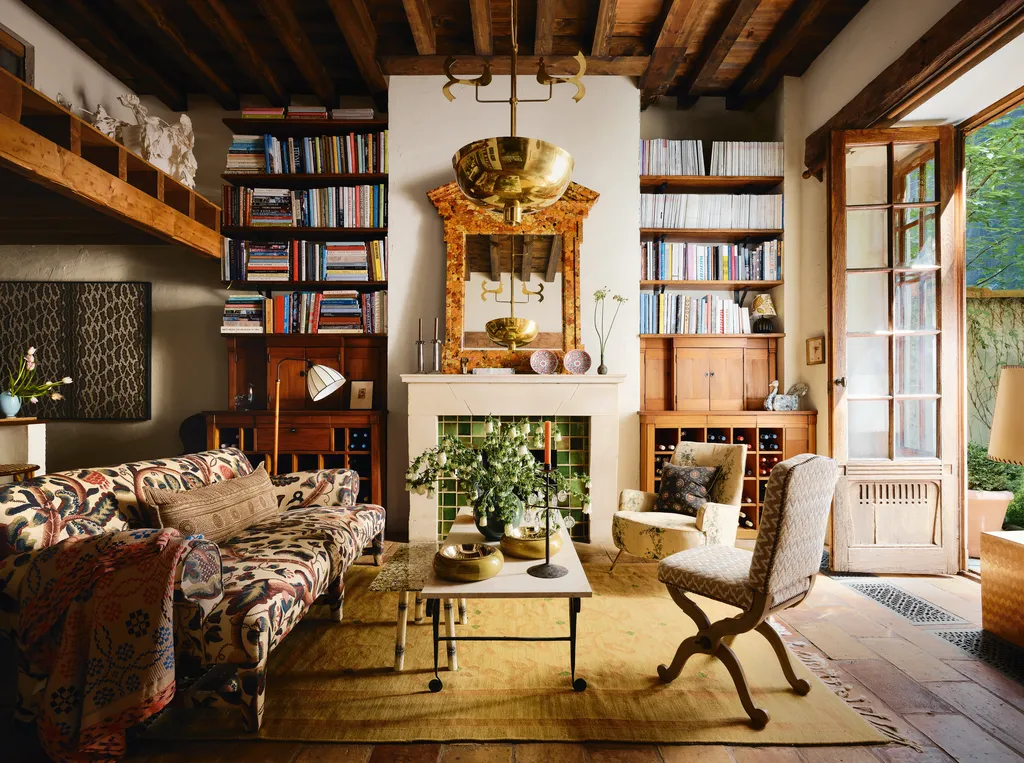
A thoughtfully designed interior can transform an ordinary house into a comfortable, stylish, and practical home. Every element, from furniture placement to lighting and color selection, plays an important role in creating a space that supports everyday living. While decorating often focuses on appearance, interior design goes much deeper by considering functionality, comfort, and the unique needs of the people who use the space.
Whether you’re renovating a single room or planning an entire home, understanding the basic principles of interior design can help you make informed decisions that improve both aesthetics and usability.
Begin with a Clear Plan
Successful interiors start with careful planning rather than impulse purchases. Before selecting furniture, paint colors, or decorative accessories, consider how each room will be used and who will use it most frequently.
Questions to ask include:
- What is the room’s primary purpose?
- How much storage is needed?
- How many people use the space daily?
- What natural light is available?
- Which design style best reflects your preferences?
Answering these questions creates a strong foundation for every design decision that follows.
For homeowners seeking inspiration and professional guidance on interior-design, focusing on functionality alongside aesthetics leads to spaces that remain attractive and practical for years.
Create a Balanced Layout
An effective room layout allows people to move comfortably while making the best use of available space. Furniture should support natural traffic flow without blocking entrances, windows, or important architectural features.
Balance can be achieved through thoughtful placement of larger and smaller elements throughout the room. Symmetrical layouts often create a formal appearance, while asymmetrical arrangements provide a more relaxed and contemporary feel.
Carefully planned layouts make even compact rooms appear larger and more organized.
Select a Cohesive Color Palette
Color has a significant impact on the atmosphere of any interior. Neutral shades remain popular because they create timeless backgrounds that work well with changing decorative accents.
Soft whites, warm grays, beige, and earthy tones provide flexibility while making rooms feel open and inviting. Accent colors introduced through cushions, artwork, rugs, or decorative accessories add personality without overwhelming the overall design.
Maintaining consistency throughout adjacent rooms helps create a harmonious flow across the home.
Maximize Natural and Artificial Lighting
Lighting is one of the most influential aspects of interior design. Well-lit rooms appear larger, cleaner, and more welcoming.
A balanced lighting plan should include:
- Ambient lighting for general illumination
- Task lighting for reading and working
- Accent lighting to highlight decorative features
- Natural daylight whenever possible
Large windows, mirrors, and reflective surfaces help distribute light evenly throughout the space.
Combining multiple lighting sources allows rooms to adapt to different activities and moods throughout the day.
Choose Quality Materials
Materials contribute significantly to both appearance and durability. Wood, stone, glass, metal, and high-quality fabrics each provide unique textures that enrich interior spaces.
Selecting durable finishes ensures long-term performance while reducing maintenance requirements.
Natural materials often add warmth and timeless character that remains appealing despite changing design trends.
Prioritize Comfort
Beautiful interiors should also support comfortable everyday living. Ergonomic furniture, proper spacing, effective ventilation, and pleasant lighting all contribute to a healthier indoor environment.
Comfort extends beyond seating. Temperature control, acoustic performance, and indoor air quality also influence how enjoyable a space feels.
Design decisions should always consider the practical needs of household members.
Incorporate Smart Storage Solutions
Organization is an essential component of attractive interiors. Built-in cabinets, floating shelves, multifunctional furniture, and hidden storage compartments help reduce clutter while maximizing available space.
Effective storage solutions improve both functionality and visual appeal by keeping frequently used items easily accessible while maintaining clean surfaces.
Especially in smaller homes, creative storage planning makes a significant difference.
Add Personality Through Accessories
Decorative accessories complete an interior by reflecting the homeowner’s personality and interests.
Popular finishing elements include:
- Artwork
- Indoor plants
- Area rugs
- Decorative cushions
- Mirrors
- Sculptures
- Books
- Handmade décor
Rather than filling every available surface, choose meaningful pieces that complement the room’s overall style.
A carefully curated collection creates greater impact than excessive decoration.
Design with Sustainability in Mind
Sustainable interior design has become increasingly important as homeowners seek environmentally responsible choices.
Eco-friendly practices include:
- Selecting responsibly sourced materials
- Choosing energy-efficient lighting
- Using low-VOC paints
- Investing in durable furniture
- Reusing existing furnishings where possible
These decisions reduce environmental impact while often improving indoor health and lowering long-term costs.
Create Spaces That Stand the Test of Time
Interior design should evolve with changing lifestyles while maintaining lasting appeal. Instead of following every new trend, focus on timeless principles such as balanced layouts, quality craftsmanship, comfortable furnishings, and practical functionality.
Thoughtful planning allows each room to support daily routines while expressing individual style. Whether designing a family home, apartment, or workspace, successful interiors combine beauty with purpose, creating environments where people feel comfortable, productive, and inspired.
By emphasizing quality, organization, lighting, and personal expression, interior design becomes more than decoration—it becomes a powerful tool for improving the way we live, work, and experience our surroundings every day.