

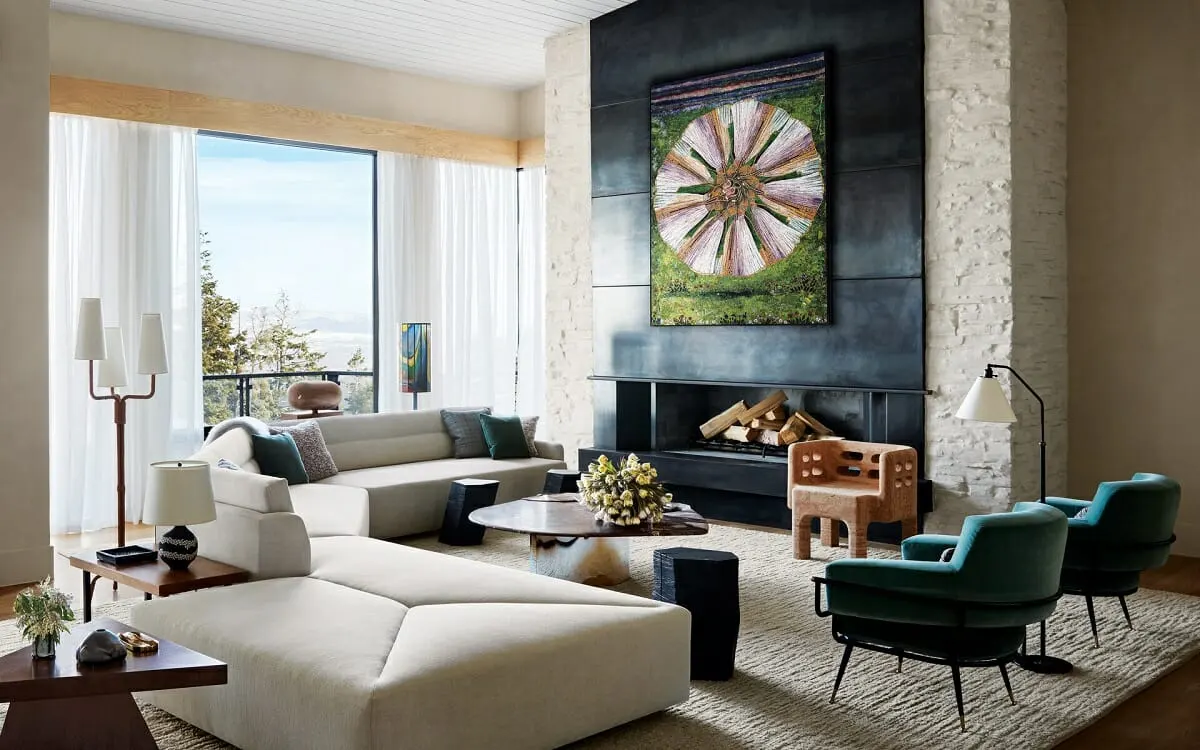
A well-designed interior does more than make a home look attractive—it improves the way people live, work, and relax. Every element within a room, from its layout to its lighting, contributes to the overall experience of the space. Thoughtful planning ensures that each area is both visually appealing and practical, creating an environment that supports everyday activities while reflecting personal style.
Whether designing a new home or updating an existing one, understanding the fundamentals of interior design can help homeowners make choices that remain functional and timeless. Instead of following short-lived trends, successful interiors focus on balance, comfort, and long-term usability.
Define the Purpose of Every Space
Every room should be designed with a specific purpose in mind. The needs of a living room differ greatly from those of a bedroom, kitchen, or home office. Identifying how a space will be used makes it easier to determine the best layout, furniture, lighting, and storage solutions.
Questions to consider include:
- Who will use the room most often?
- What activities will take place there?
- How much storage is required?
- What type of atmosphere should the room create?
Answering these questions provides a clear direction before any decorating decisions are made.
Those seeking inspiration for thoughtful interior-design often find that functionality should always guide aesthetic choices rather than the other way around.
Create a Functional Layout
An effective floor plan allows people to move comfortably while making efficient use of available space. Furniture should be positioned to encourage conversation, improve accessibility, and maximize natural light.
Avoid overcrowding rooms with oversized furniture or excessive decorative items. Leaving open areas improves movement and makes interiors feel larger than they actually are.
Carefully planned layouts also allow each room to adapt more easily as family needs change over time.
Build a Cohesive Design Theme
Consistency helps create harmony throughout a home. While each room may have its own character, maintaining complementary colors, materials, and finishes establishes a smooth visual transition from one area to another.
Popular design styles include:
- Contemporary
- Scandinavian
- Traditional
- Industrial
- Modern farmhouse
- Coastal
- Minimalist
Choosing a primary style before beginning helps simplify future design decisions.
Use Color to Shape the Atmosphere
Color influences mood and perception. Soft neutral shades provide versatility and make rooms feel open and welcoming, while deeper colors create warmth and sophistication when used thoughtfully.
Accent colors can be introduced through:
- Artwork
- Rugs
- Throw pillows
- Curtains
- Decorative accessories
Using a limited color palette creates a refined appearance without overwhelming the space.
Layer Lighting Effectively
Lighting serves both practical and decorative purposes. A balanced lighting plan combines several sources rather than relying on a single ceiling fixture.
Effective interiors typically include:
- Ambient lighting for general illumination
- Task lighting for focused activities
- Accent lighting to highlight architectural features
- Natural daylight whenever possible
Proper lighting enhances comfort while showcasing textures, colors, and decorative details.
Choose Durable Materials
High-quality materials provide better performance and maintain their appearance over time. Natural wood, stone, glass, and premium textiles offer lasting beauty while reducing the need for frequent replacements.
Selecting durable finishes is especially important in high-traffic areas such as kitchens, hallways, and family rooms.
Investing in quality materials often proves more economical over the long term.
Incorporate Smart Storage
Organization is essential for maintaining attractive interiors. Clutter quickly diminishes even the most carefully designed spaces.
Useful storage solutions include:
- Built-in shelving
- Storage benches
- Multifunctional furniture
- Hidden cabinets
- Floating shelves
- Wardrobe organizers
These options maximize available space while preserving a clean and organized appearance.
Add Texture and Personality
Texture creates visual depth and warmth. Combining materials such as linen, leather, wood, metal, glass, and woven fabrics prevents interiors from feeling flat or repetitive.
Personal touches such as family photographs, handmade artwork, travel souvenirs, and decorative objects help transform a house into a home.
Rather than filling every surface, carefully selected accessories create stronger visual impact.
Consider Sustainability
Environmentally responsible design has become an important consideration for modern homeowners. Sustainable interiors emphasize durable products, responsibly sourced materials, energy-efficient lighting, and reduced waste.
Simple environmentally conscious choices include:
- LED lighting
- Recycled materials
- Low-VOC paints
- Refinished existing furniture
- Natural fiber textiles
These decisions contribute to healthier indoor environments while reducing environmental impact.
Design for the Future
The most successful interiors remain functional as lifestyles evolve. Flexible layouts, timeless materials, and adaptable furnishings allow homes to accommodate changing family needs without requiring frequent renovations.
Rather than chasing every new trend, focus on creating spaces that prioritize comfort, efficiency, and quality craftsmanship. A thoughtfully planned interior supports daily routines while providing an inviting atmosphere for family members and guests alike.
By combining practical planning with timeless design principles, interior design becomes an investment in both quality of life and the long-term value of a home. Spaces that are organized, comfortable, and visually balanced continue to provide enjoyment for many years, making every design decision a meaningful contribution to everyday living.