

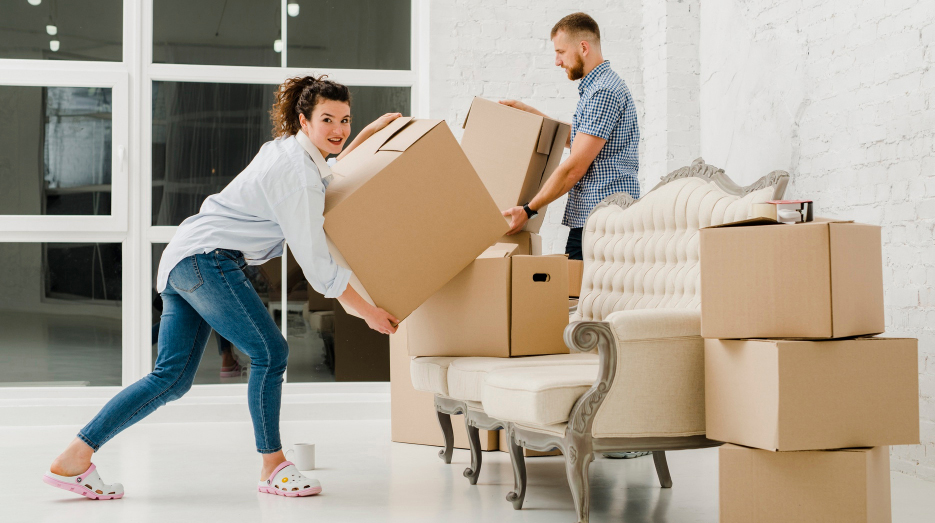
Relocating to a new home marks the beginning of an exciting chapter, but it also comes with responsibilities that require careful planning. Whether you’re moving a short distance or across the country, staying organized can make the process far less stressful. With the right preparation and the assistance of a dependable mover, you can avoid many common challenges and enjoy a seamless transition.
A successful move isn’t about rushing to pack everything at the last minute. Instead, it’s about taking small, organized steps that make the entire process easier from start to finish.
Create a Detailed Moving Timeline
One of the best ways to stay on track is by creating a timeline several weeks before moving day. Breaking the relocation into manageable tasks helps prevent last-minute panic.
Your moving timeline might include:
- Sorting household belongings
- Gathering packing supplies
- Scheduling utility transfers
- Changing your mailing address
- Booking a moving company
- Packing one room at a time
Following a schedule helps ensure nothing important is overlooked.
Sort and Simplify Your Belongings
Moving every item you own can increase both costs and workload. Before packing, evaluate what you truly need.
Separate your belongings into categories such as:
- Keep
- Donate
- Sell
- Recycle
- Dispose
Decluttering creates more space in your new home while reducing the number of boxes you need to transport.
Many people are surprised by how many unused items they discover during this process.
Gather Quality Packing Materials
Using strong packing supplies is essential for protecting your belongings during transportation.
Helpful materials include:
- Durable cardboard boxes
- Bubble wrap
- Packing paper
- Heavy-duty packing tape
- Permanent markers
- Furniture covers
- Plastic storage bins
Investing in quality materials often prevents costly damage during the move.
Pack One Room at a Time
Packing an entire house at once can quickly become confusing. Instead, complete one room before moving to the next.
Label every box with:
- Room name
- General contents
- Fragile notice if necessary
This simple system makes unloading and unpacking much more efficient.
Place heavier items at the bottom of each box while keeping lighter, delicate objects on top.
Protect Fragile Possessions
Glassware, artwork, electronics, and decorative items require extra attention during packing.
Wrap fragile items individually using protective materials and avoid overfilling boxes. Empty spaces should be filled with packing paper or soft towels to reduce movement during transportation.
A professional mover understands how to secure delicate belongings properly, minimizing the risk of damage throughout the journey.
Don’t Forget an Essentials Box
One of the most helpful moving tips is preparing a separate essentials box.
Include items such as:
- Phone chargers
- Prescription medications
- Basic toiletries
- Snacks
- Bottled water
- Important documents
- A change of clothes
- Basic kitchen supplies
Having these necessities readily available allows you to settle in comfortably without searching through dozens of boxes.
Prepare Furniture Before Moving Day
Large furniture often requires additional preparation before it can be transported safely.
Whenever possible:
- Remove shelves.
- Empty drawers.
- Disassemble large furniture.
- Store hardware in labeled bags.
- Protect surfaces with moving blankets.
Taking these steps saves valuable time on moving day and reduces the risk of scratches or damage.
Communicate Clearly with Your Movers
Good communication plays an important role in every successful relocation.
Before moving day, discuss:
- Arrival time
- Parking arrangements
- Fragile items
- Heavy furniture
- Special handling instructions
- Delivery expectations
An experienced mover will appreciate detailed information because it allows the team to prepare properly and complete the relocation more efficiently.
Inspect Both Properties
Before leaving your old home, perform one final walkthrough.
Check:
- Closets
- Cabinets
- Storage areas
- Garage
- Basement
- Outdoor sheds
Once you arrive at your new home, inspect each room before unloading begins. Identifying any access issues early helps the moving process continue without delays.
Unpack with a Plan
Unpacking doesn’t need to happen all at once.
Start with the rooms you’ll use immediately:
- Bedrooms
- Bathrooms
- Kitchen
- Living room
- Home office
As you unpack, break down empty boxes and organize storage spaces gradually. Taking your time results in a cleaner, more functional home.
Common Mistakes to Avoid
Many moving problems can be prevented by avoiding a few common mistakes.
These include:
- Waiting until the final week to pack
- Using weak or damaged boxes
- Forgetting to label containers
- Overloading boxes with heavy items
- Ignoring fragile item protection
- Hiring movers without researching their reputation
Learning from these mistakes helps create a far more organized relocation experience.
Final Thoughts
Every successful move begins with preparation. By creating a clear plan, organizing your belongings, using quality packing materials, and working with a reliable mover, you can simplify what often feels like a complicated process.
Relocating is more than transporting furniture from one address to another—it’s an opportunity to start fresh in a new environment. With thoughtful planning and the right support, moving day can become an exciting milestone instead of a stressful challenge.