

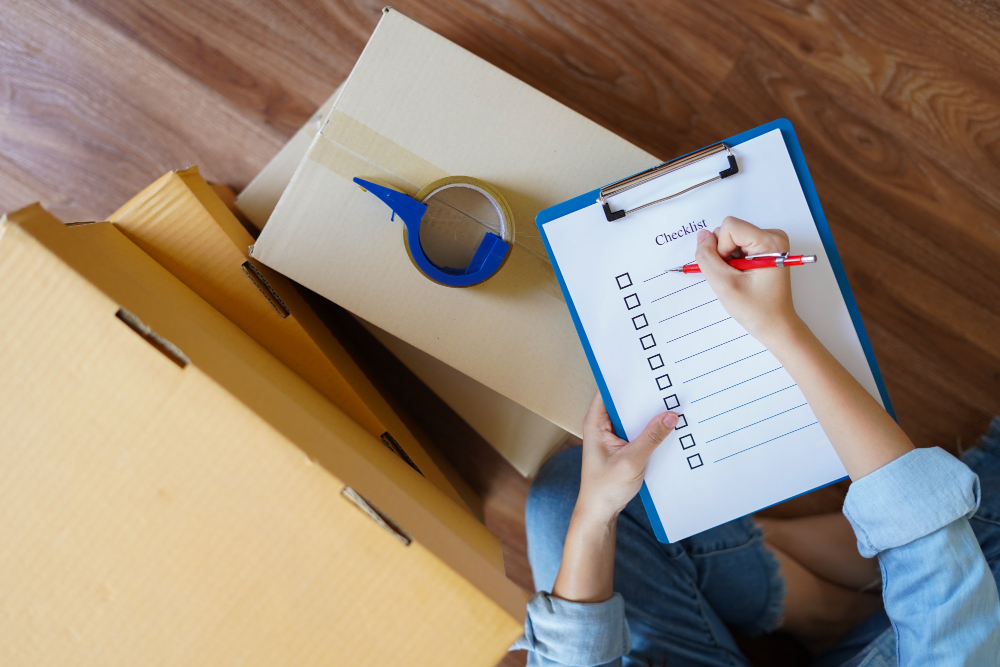
Relocating to a new home is an exciting opportunity to begin a fresh chapter, but it also requires careful organization. Without a solid plan, moving day can become stressful, leading to forgotten items, damaged belongings, and unnecessary expenses. Fortunately, following a detailed checklist and partnering with a reliable mover can help ensure a smooth and efficient relocation.
Whether you’re moving into your first apartment, upgrading to a larger home, or relocating for work, preparation is the key to a successful move.
Begin Planning Weeks in Advance
One of the most effective ways to reduce moving stress is to start early. Waiting until the last few days often leads to rushed decisions and overlooked tasks.
A practical moving timeline allows you to:
- Organize each room methodically
- Gather packing supplies
- Schedule moving services
- Notify utility providers
- Update your address
- Arrange transportation for pets or plants
Completing small tasks over several weeks makes the overall process far more manageable.
Declutter Before You Pack
Moving provides the perfect opportunity to evaluate everything you own. Carrying unnecessary items to your new home only increases packing time and transportation costs.
Go through every room and separate belongings into categories:
- Keep
- Donate
- Sell
- Recycle
- Discard
Old clothes, broken electronics, unused kitchen gadgets, and duplicate household items are often easy to part with. Reducing clutter also helps create a cleaner, more organized living space after the move.
Gather the Right Packing Supplies
Using quality packing materials is essential for protecting your belongings throughout the relocation.
You’ll likely need:
- Strong moving boxes
- Packing tape
- Bubble wrap
- Packing paper
- Stretch wrap
- Permanent markers
- Furniture blankets
Investing in durable supplies minimizes the risk of damaged items during transportation.
Pack Smart, Not Fast
Packing efficiently saves both time and effort when it’s time to unpack.
Follow these simple guidelines:
- Pack one room at a time.
- Label every box clearly.
- Keep similar items together.
- Avoid overloading boxes.
- Wrap fragile items individually.
- Place heavier items at the bottom.
Creating an inventory of your boxes can also help ensure that nothing gets misplaced during the move.
Hire an Experienced Moving Company
Choosing the right mover is one of the most important decisions you’ll make during relocation. Professional movers bring valuable experience, proper equipment, and efficient packing techniques that help protect your belongings.
Before making your choice, compare companies by reviewing:
- Customer feedback
- Years of experience
- Available services
- Licensing and insurance
- Pricing transparency
A dependable moving company should provide clear communication and detailed estimates without hidden fees.
Prepare Your Home Before Moving Day
A little preparation can make moving day much more efficient.
Take time to:
- Disconnect appliances if necessary.
- Empty and defrost the refrigerator.
- Remove wall decorations.
- Pack personal valuables separately.
- Reserve parking for the moving truck.
- Keep cleaning supplies accessible.
These simple tasks help prevent delays while making the loading process more organized.
Pack an Essentials Bag
After a long day of moving, searching through dozens of boxes for basic necessities can be frustrating.
Prepare a separate essentials bag containing:
- Identification documents
- Prescription medications
- Chargers
- Toiletries
- Snacks
- Water bottles
- Fresh clothes
- Basic kitchen items
Keeping these essentials nearby ensures you remain comfortable during your first night in your new home.
Stay Organized During the Move
Communication plays an important role on moving day.
If you’re working with a professional mover, discuss:
- Fragile items
- Furniture placement
- Access instructions
- Parking arrangements
- Delivery priorities
Walking through your home before the movers leave helps confirm that every item has been loaded successfully.
Likewise, inspect your new property before unloading begins so furniture can be placed exactly where you want it.
Unpack in Order of Priority
There’s no need to unpack every box immediately. Start with the spaces you’ll use first.
Prioritize these rooms:
- Bedrooms
- Bathrooms
- Kitchen
- Living room
- Home office
After essential areas are functional, you can gradually organize decorations, books, seasonal items, and storage spaces.
A systematic approach prevents unnecessary clutter while making your new house feel like home much faster.
Avoid Common Moving Mistakes
Many relocation problems result from poor planning rather than unexpected events.
Try to avoid these common mistakes:
- Packing at the last minute
- Forgetting to label boxes
- Using weak packing materials
- Ignoring fragile item protection
- Underestimating moving costs
- Hiring a company without researching its reputation
Planning ahead significantly reduces these risks.
Final Thoughts
A successful relocation begins with preparation, organization, and smart decision-making. From creating a moving timeline to choosing a dependable mover, every step contributes to a smoother experience.
Moving doesn’t have to be overwhelming. By decluttering, packing carefully, communicating effectively, and following a structured checklist, you can enjoy a stress-free transition into your new home and focus on the exciting opportunities that lie ahead.