

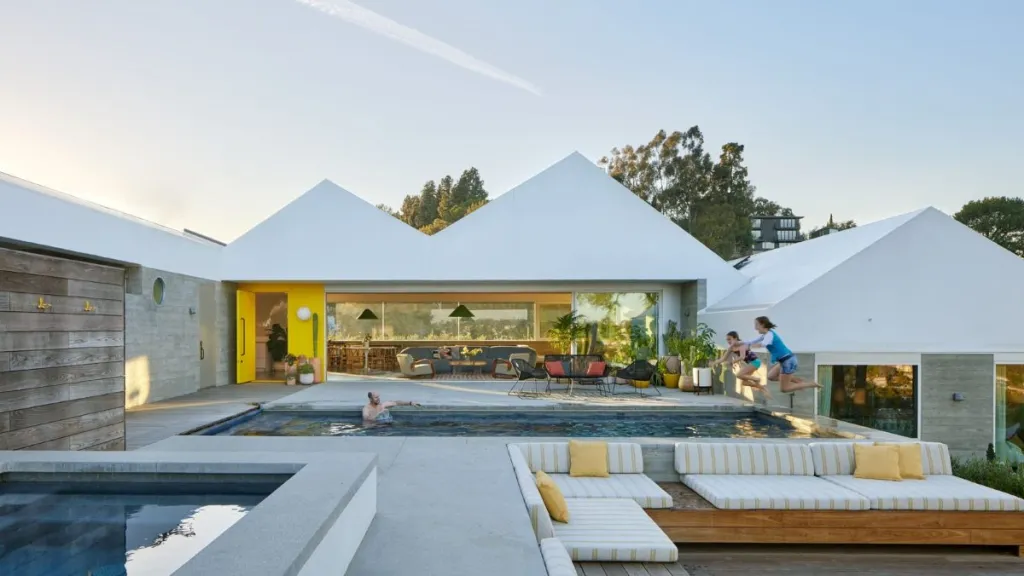
Every city tells a story through its buildings, public spaces, and neighborhoods. From historic landmarks to modern skyscrapers, thoughtful architecture influences how people work, interact, and experience their surroundings. More than just designing attractive structures, architecture combines creativity, engineering, functionality, and sustainability to create environments that improve everyday life.
Whether it’s a family home, a corporate office, or a public library, the quality of architectural design has a lasting impact on comfort, efficiency, and well-being. As urban populations continue to grow, the importance of smart planning and innovative building solutions has never been greater.
The Role of Architecture in Modern Society
Architecture is much more than constructing buildings. It is the process of designing spaces that serve both practical and emotional purposes. A well-designed structure considers aesthetics, safety, accessibility, environmental conditions, and the needs of its occupants.
Today, architects face the challenge of balancing beauty with functionality while also addressing concerns such as climate change, energy efficiency, and urban expansion. Modern architectural practices emphasize creating spaces that are adaptable, durable, and environmentally responsible.
For homeowners, businesses, and governments alike, investing in quality architecture helps ensure that buildings remain valuable, efficient, and relevant for decades.
Creating Spaces That Improve Daily Life
The design of a building directly affects how people feel and behave. Natural lighting, ventilation, room layouts, and the choice of materials all contribute to creating healthier and more comfortable environments.
Some key benefits of thoughtful architectural design include:
- Improved indoor comfort and air quality.
- Better use of available space.
- Enhanced safety and accessibility.
- Increased property value.
- Lower long-term maintenance costs.
- Greater energy efficiency.
These factors make architecture an essential part of creating homes and workplaces that support productivity, relaxation, and overall well-being.
Sustainability Is Shaping the Future
One of the biggest trends in modern architecture is sustainability. Green building practices help reduce environmental impact while lowering operating costs for property owners.
Sustainable architectural design often includes:
- Energy-efficient insulation and windows.
- Renewable energy integration, such as solar panels.
- Water conservation systems.
- Eco-friendly construction materials.
- Smart building technologies.
- Efficient waste management during construction.
These strategies not only reduce carbon emissions but also create healthier living environments for future generations.
Technology Is Transforming Architectural Design
Advancements in technology have revolutionized the architectural industry. Digital tools allow architects to visualize projects with remarkable accuracy before construction even begins.
Building Information Modeling (BIM), 3D rendering, virtual reality, and artificial intelligence help improve collaboration between architects, engineers, and contractors. These technologies reduce design errors, streamline construction processes, and provide clients with a clearer understanding of the final project.
As innovation continues, architecture becomes increasingly data-driven while maintaining its creative foundation.
Balancing Form and Function
Successful architecture achieves harmony between appearance and usability. A visually impressive building should also meet the practical needs of those who use it every day.
Architects carefully evaluate factors such as:
- Site conditions.
- Climate and weather.
- Local building regulations.
- Structural integrity.
- Accessibility standards.
- Future expansion possibilities.
This balanced approach ensures that every project performs efficiently while maintaining its aesthetic appeal.
The Importance of Collaboration
Architectural projects rely on teamwork. Architects collaborate closely with engineers, interior designers, landscape architects, contractors, and clients throughout the design and construction process.
Open communication helps identify challenges early, manage budgets effectively, and ensure that every detail aligns with the project’s objectives. Strong collaboration ultimately leads to higher-quality buildings and smoother project delivery.
Looking Ahead
As cities continue to evolve, architecture will remain at the center of creating sustainable, resilient, and inspiring communities. Future developments will increasingly focus on smart technologies, adaptable spaces, and environmentally responsible construction methods that meet changing social and economic needs.
The buildings we create today will shape the experiences of future generations. Investing in thoughtful architectural planning is not simply about constructing structures—it is about designing places where people can live, work, learn, and thrive. By embracing innovation while respecting functionality and sustainability, architecture continues to play a vital role in improving quality of life and building stronger communities around the world.