

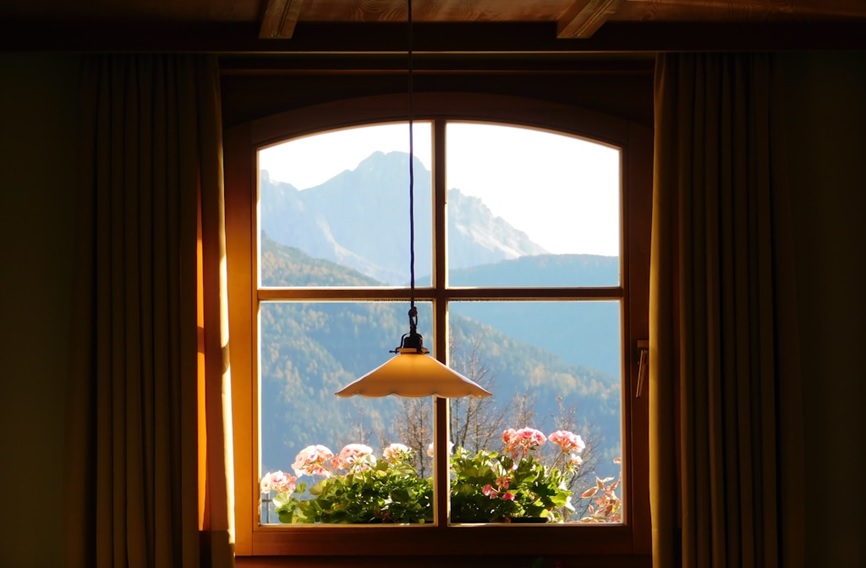
Home design has always been influenced by cultural exchange. For decades, Americans admired European kitchens and minimalistic furniture, but in recent years another feature has been steadily gaining attention: Tilt and turn windows.
- What Makes Tilt and Turn Windows Different?
- Why Americans Are Turning to European Windows
- The Energy Question
- Style Meets Practicality
Once considered a niche import, these European windows are becoming a mainstream choice for homeowners in the United States who want functionality, style, and efficiency combined in one product.
What Makes Tilt and Turn Windows Different?
At first glance, tilt and turn windows resemble traditional casement windows. The difference lies in the mechanism. With a single handle, users can either tilt the window inward at the top to allow gentle airflow, or swing it fully open for maximum ventilation and easy cleaning. This dual function is particularly useful in urban apartments where space is limited, and in family homes where safety matters.
Another reason behind their growing popularity is performance. Thanks to superior sealing systems and multi-chamber frames, tilt and turn designs are often marketed as Energy saving windows.
Why Americans Are Turning to European Windows
Cultural appeal is part of the story. Many homeowners are inspired by the sleek look of European design, which emphasizes clean lines and practical innovation. But it’s not just aesthetics. European windows are engineered to handle extreme weather, from cold northern climates to hot Mediterranean summers. For Americans living in diverse conditions—from New England to Texas—this adaptability is a major selling point.
Another factor is durability. Whereas older American window models may require frequent repainting or sealing, modern PVC windows offer long-lasting performance with minimal maintenance. They resist moisture, reduce outside noise, and are fully recyclable, making them a responsible choice for eco-conscious homeowners.
The Energy Question
In today’s market, sustainability isn’t optional—it’s essential. Homeowners are asking not just how their windows look, but how they perform over time. With Energy saving windows, efficiency goes hand in hand with comfort.
Style Meets Practicality
While performance is key, design cannot be overlooked. Tilt and turn systems are praised for their modern elegance. Available in a variety of finishes—from classic white to contemporary dark tones—they integrate seamlessly into both traditional and modern architecture. Large panes let in abundant natural light, while the tilt function provides ventilation without the security risks of a wide-open sash.
The rise of Tilt and turn windows in the U.S. reflects a growing desire for products that combine performance, design, and sustainability. Borrowing from decades of European expertise, these systems deliver comfort and durability while helping households cut energy use.
Whether you are building a new property or renovating an old one, considering European windows—especially modern PVC windows—is no longer just a design trend. It is a smart investment in comfort, efficiency, and long-term value. With Energy saving windows becoming the standard worldwide, tilt and turn technology is not just a European innovation anymore—it’s a global solution that Americans are embracing wholeheartedly.