

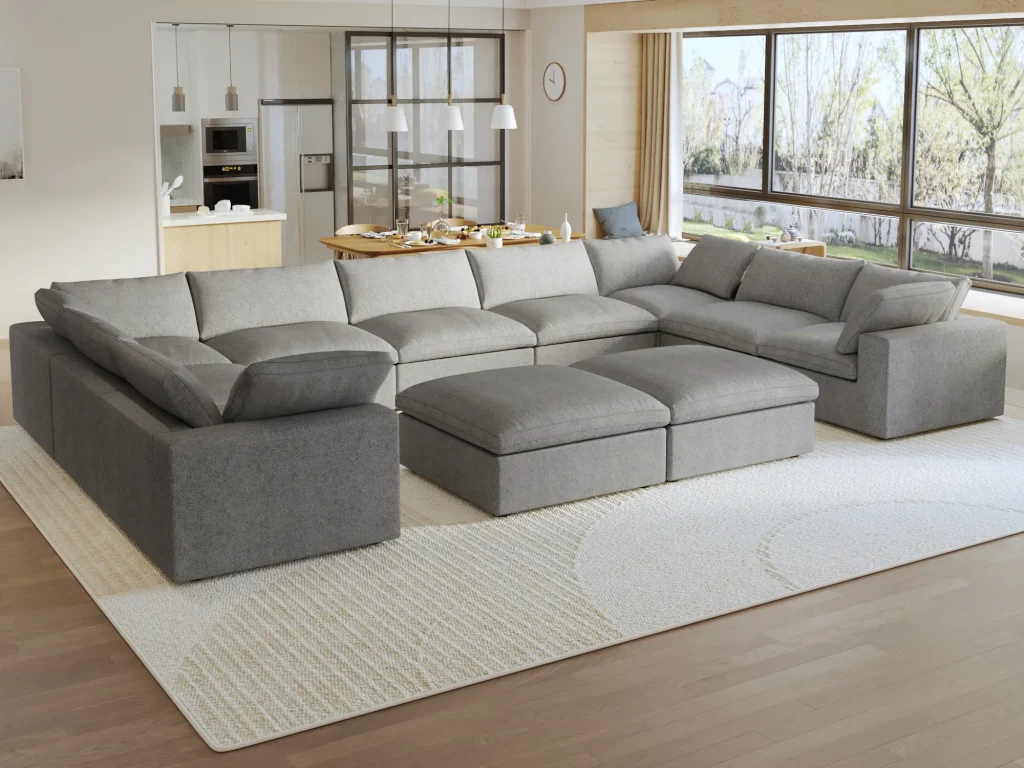
Creating a comfortable and attractive home begins with selecting the right furnishings. Every room should balance functionality, aesthetics, and personal style to create an environment that supports everyday living. Whether you’re moving into a new home or updating an existing space, choosing quality pieces can significantly improve both comfort and long-term value.
Well-designed interiors are not built around trends alone. Instead, they focus on practical layouts, durable materials, and timeless designs that remain appealing for years. By carefully planning each room and selecting pieces that meet your household’s needs, you can create spaces that are welcoming, efficient, and easy to maintain.
Understand the Purpose of Each Room
Before purchasing anything, consider how the room will be used. A family living room requires different seating arrangements than a formal sitting area, while a home office demands ergonomic solutions that encourage productivity.
Think about the number of people using the space, the available floor area, and the daily activities that take place there. These factors will help determine the size, style, and quantity of items required.
For homeowners seeking durable and stylish furniture, focusing on both functionality and craftsmanship leads to better long-term satisfaction.
Measure Before You Buy
One of the most common decorating mistakes is purchasing pieces that don’t fit properly. Accurate measurements help avoid overcrowded rooms or awkward layouts.
Measure:
- Room dimensions
- Doorways and hallways
- Window placement
- Ceiling height
- Existing fixtures
Creating a simple floor plan allows you to visualize how new furnishings will fit before making a purchase.
Prioritize Quality Materials
The materials used in construction directly affect durability and appearance. Solid wood, high-quality engineered wood, metal frames, and premium upholstery generally provide longer service lives than inexpensive alternatives.
When evaluating products, pay attention to:
- Frame construction
- Joint strength
- Fabric quality
- Cushion density
- Surface finishes
- Hardware durability
Well-built pieces often cost more initially but offer greater value through reduced maintenance and longer lifespan.
Balance Style with Practicality
While appearance is important, functionality should never be overlooked. Choose designs that complement your home’s overall aesthetic while supporting everyday use.
Popular interior styles include:
- Modern
- Contemporary
- Traditional
- Scandinavian
- Industrial
- Rustic
- Minimalist
Maintaining a consistent design theme throughout the home creates visual harmony without making every room look identical.
Make Comfort a Priority
Comfort is essential, especially for frequently used items such as sofas, dining chairs, office chairs, and beds. Testing seating depth, back support, and cushion firmness helps ensure long-term satisfaction.
Ergonomic design is particularly important for workspaces where extended sitting is common.
A comfortable home encourages relaxation while improving the overall living experience.
Choose Versatile Pieces
Multi-functional designs are increasingly valuable, particularly in smaller homes and apartments.
Examples include:
- Storage ottomans
- Extendable dining tables
- Sofa beds
- Nesting tables
- Modular seating
- Beds with built-in storage
These solutions maximize available space without sacrificing comfort or appearance.
Consider Maintenance Requirements
Every material requires a different level of care. Leather, fabric, wood, glass, and metal each have unique maintenance needs.
When selecting furnishings, consider:
- Ease of cleaning
- Resistance to stains
- Scratch durability
- Moisture resistance
- Pet-friendly materials
- Child-friendly finishes
Choosing surfaces that match your lifestyle helps maintain their appearance over time.
Think About Sustainability
Environmentally responsible manufacturing has become increasingly important in the home furnishing industry. Many consumers now prefer products made from responsibly sourced wood, recycled materials, and low-emission finishes.
Sustainable choices benefit both the environment and indoor air quality while encouraging responsible resource management.
Investing in durable products also reduces waste by minimizing the need for frequent replacements.
Accessorize Thoughtfully
Once the primary pieces are in place, decorative accessories complete the overall design.
Consider adding:
- Area rugs
- Decorative cushions
- Floor lamps
- Side tables
- Wall art
- Indoor plants
These finishing touches create warmth and personality while complementing the room’s overall style.
Avoid overcrowding the space with excessive decorations. A balanced approach keeps interiors looking clean and inviting.
Plan for Long-Term Value
Purchasing home furnishings should be viewed as a long-term investment rather than a temporary expense. Quality craftsmanship, timeless design, and durable materials continue to deliver value long after changing trends have disappeared.
Instead of buying inexpensive replacements every few years, selecting well-made pieces from the beginning often proves more economical over time. Thoughtful planning, careful measurements, and attention to comfort ensure that every room remains functional, attractive, and enjoyable for many years.
By focusing on quality, practicality, and personal style, homeowners can create living spaces that meet everyday needs while maintaining lasting beauty. The right furnishings not only improve the appearance of a home but also contribute to a more comfortable, organized, and welcoming environment for family and guests alike.