

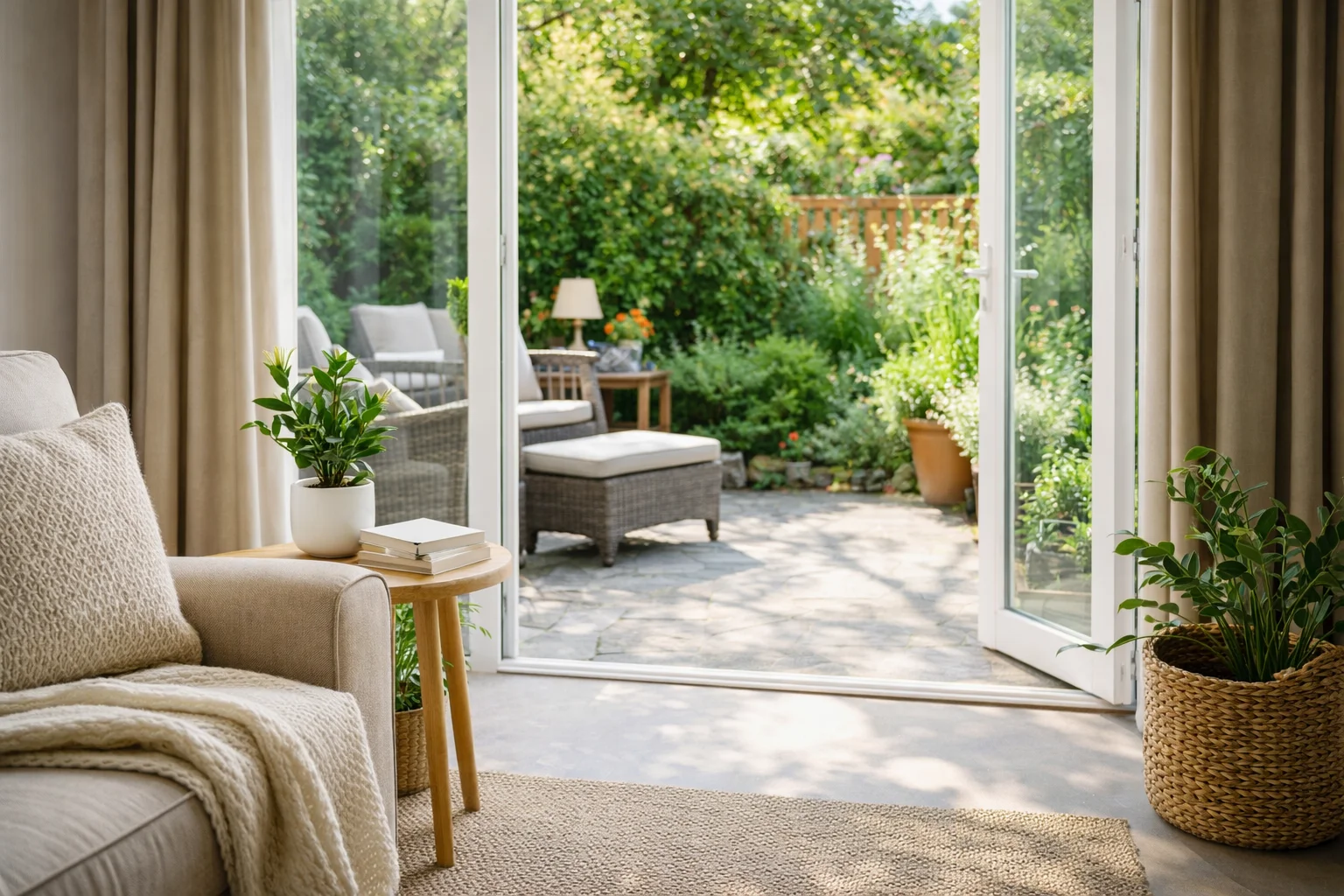
Homes don’t usually change all at once. They evolve through small decisions that alter how space feels and how it’s used, often without anyone setting out to redesign daily life. It’s in that context that Double glazing in Stirling tends to come up, not as a dramatic upgrade, but as one of those adjustments that quietly reshapes routines.
People often expect major changes to produce noticeable results and minor ones to pass unnoticed. In practice, the opposite is often true. Small improvements integrate into everyday behaviour more easily, which is why their impact can feel more immediate and lasting. They don’t demand new habits, they subtly remove friction from existing ones.
How Comfort Influences Movement
One of the first things that changes when a home becomes more comfortable is how people move through it. Rooms that were previously avoided start to be used again. Chairs get repositioned closer to windows. Desks move away from radiators. These shifts aren’t usually planned, they happen naturally once the space stops pushing back.
Temperature plays a part, but it’s rarely the only factor. Draughts, cold surfaces, and uneven warmth all influence where people choose to sit, work, or relax. When those irritations are reduced, the home feels more flexible. Spaces become usable throughout the day rather than at certain times only.
This flexibility often reveals itself slowly. A room that was once “fine in summer” becomes part of the year round layout. A corner that never quite worked suddenly feels viable. Over time, the home feels larger, not because anything has been added, but because fewer areas are being subconsciously written off.
Noise and the Sense of Control
Sound is another element people adapt to without thinking too much about it. Traffic noise, early morning deliveries, neighbours moving about, these sounds become part of the background until they don’t. When that background noise reduces, people often notice a sense of calm before they can explain why.
This change affects how spaces are used. Phone calls feel easier in certain rooms. Concentration improves. Bedrooms feel more restful. Again, these outcomes aren’t usually the goal, but they influence behaviour in meaningful ways.
The important point is that control matters more than silence. Being able to shut out external noise when needed changes how people feel about their environment. It creates a sense that the home responds to them, rather than the other way around.
Everyday Tasks Become Less Conditional
Small improvements also alter how much planning everyday tasks require. Heating schedules become less rigid. Curtains don’t need to be closed as early. Morning routines feel less dependent on weather conditions.
These changes rarely stand out on their own. Instead, they remove small points of inconvenience that had become normal. When enough of those points disappear, the overall experience of living in the space shifts.
What’s interesting is how quickly people forget the old conditions. The improvements fade into the background, becoming the new baseline. That’s often the sign that a change has worked, it no longer needs attention.
Behaviour Changes Before Awareness
People don’t always connect these shifts back to a specific improvement. They simply notice that the house feels easier to live in. Rooms get used differently. Time is spent in places that were previously transitional or underused.
This disconnect between cause and effect is why small improvements are sometimes underestimated. Their success lies in how little they announce themselves. They don’t interrupt daily life, they quietly support it.
Over time, these subtle changes accumulate. The home feels calmer, more adaptable, and better suited to how people actually live, not how they think they should live.
Small improvements don’t transform houses into something new. They allow homes to behave more like people expect them to, without asking for constant compromise in return.